Popular Searches:
Recommended Posts

Search Results

Longevity medicine is built on cutting-edge diagnostics, biomarkers and preventive care. But as Singapore and the wider region explore more integrated healthcare, ancient Asian healing systems such as TCM and Ayurveda are finding a new place in the conversation. Here's why the East-West healthcare divide is starting to look rather outdated
If you grew up in Singapore, you would have experienced a hierarchy of healthcare. When you fell ill, you would likely have visited a Western-trained doctor. Any other healing system – be it Ayurveda, Traditional Chinese Medicine (TCM) or Traditional Malay Medicine (TMM) – was considered complementary or alternative.
And this hierarchy would be reinforced in other ways. If you needed to take a Medical Certificate (MC) from work, a Western doctor’s MC was (and is) the currency of mainstream sick care. A TCM practitioner’s? It was (and is) up to your employer’s discretion.
Yet the idea that Asian healing systems are somehow newcomers to the healthcare conversation is a little backwards.
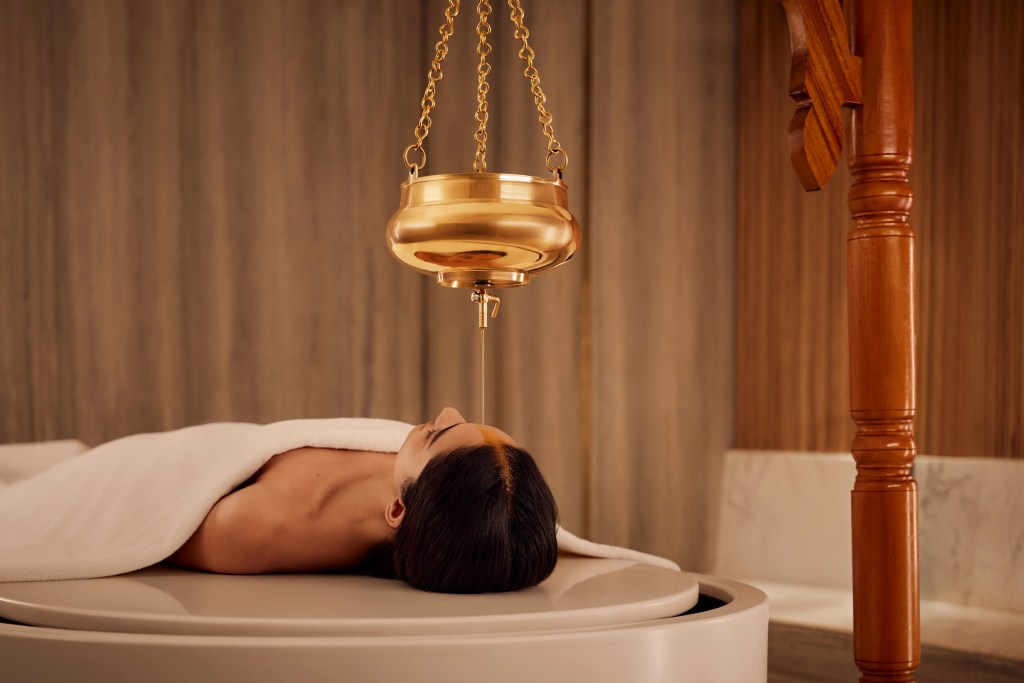
TCM, for example, traces its intellectual and clinical roots back thousands of years. Ayurveda’s traditions are even older. Both developed sophisticated systems for understanding the human body, illness, diet, lifestyle and the relationship between an individual’s constitution and their environment – long before anyone was talking about biomarkers or biological age.
Modern Western medicine, meanwhile, took a very different route.
While its intellectual roots stretch back to ancient Greece, the scientific medicine we recognise today emerged from relatively recent breakthroughs. For example, developments in microbiology, pharmacology, imaging and rigorous clinical research only came about in the 19th and 20th centuries.
As for evidence-based medicine? That’s the new kid on the block, relatively speaking.
READ MORE: Inside tulåh, the US$100 million clinical sanctuary in Kerala reshaping Asian longevity
So while both Eastern and Western medicine aim to heal the body, their different histories explain why there’s an apparent Western bias in Singapore and many other parts of the world.
Modern Western medicine became exceptionally good at standardisation. A drug can be formulated to a precise dose. A diagnostic test can be repeated. A clinical trial can compare thousands of patients.
Lather, rinse, repeat: Results can be quantified, replicated and subjected to regulatory scrutiny.
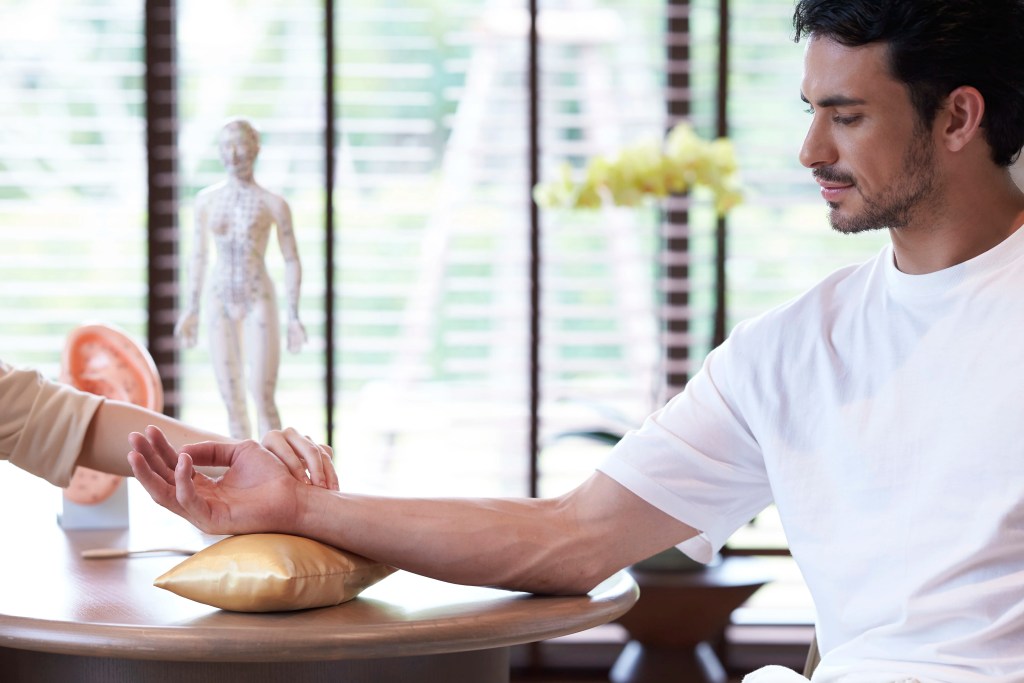
On the other hand, Eastern systems like Ayurveda and TCM work differently. Diagnosis and treatment are often personalised according to an individual’s constitution, symptoms and state of balance (dosha in Ayurveda and chi/qi in TCM).
Two people going to an Ayurveda or TCM clinic with a cough or cold are likely to receive different treatments, such as personalised herbal concoctions, perhaps prepared on-site for the patients.
While that individualisation is one of their strengths, it can also make it considerably harder for them to fit into the machinery of modern clinical research and regulation, where standardised interventions and measurable outcomes are the currency.
READ MORE: Longevity centres and clinics in Singapore. Which one is right for you?
And this is where things get interesting. At least for those pursuing longevity medicine.
Because longevity medicine – despite its distinctly modern vocabulary of biomarkers, biological clocks and biohacking – is also moving towards a highly personalised model of care.
The premise is simple: If the goal is not merely to treat disease once it appears, but to preserve health and function for as long as possible, then treating everyone according to the same template doesn’t make much sense.
A longevity doctor may look at your blood biomarkers, body composition, cardiovascular fitness, sleep quality, metabolic health, genetics, lifestyle and psychological wellbeing before deciding what you need. Your programme or protocol might look completely different from someone else’s.
In essence, longevity medicine is asking a question that traditional Asian healing systems have been asking for millennia: What does this particular individual need?
And, even more interestingly, the broader healthcare sector is displaying a growing willingness to explore where the two systems can complement each other. Singapore is becoming an especially interesting laboratory for that experiment.
The country’s healthcare system (and, well, national identity) has long straddled East and West. But the conversation is moving beyond simply allowing the two to coexist.
In May 2026, Senior Minister of State for Health Dr. Koh Poh Koon announced that Singapore would introduce a new accreditation framework for TCM practitioners and services later in the year, while also outlining efforts to explore practical models for TCM practitioners and General Practitioners (GPs) to work together within Healthier SG, the national preventive-health programme.

READ MORE: Should you get a longevity screening?
The shift is already happening on the ground. Singapore General Hospital (SGH), for example, offers acupuncture within its rehabilitation medicine services for conditions including cancer-related pain and chemotherapy-induced peripheral neuropathy.
In the private sector, Healthway Integrative Medicine – part of OUE Healthcare’s wider healthcare ecosystem – has opened clinics in Hougang and Aljunied that place Western medical care and TCM under the same roof, offering everything from GP consultations and health assessments to acupuncture, herbal medicine and cupping.
And in August, OUE Healthcare and Nanyang Technological University announced a collaboration to develop and evaluate structured clinical pathways combining Western medicine and TCM, initially focusing on areas including sleep disorders, chronic diseases and women’s health.
Even Singapore’s health ministry is now acknowledging the reality that patients are already moving between the two worlds, and asking how that behaviour can be made safer, better coordinated and more evidence-based.
Which brings us to longevity.

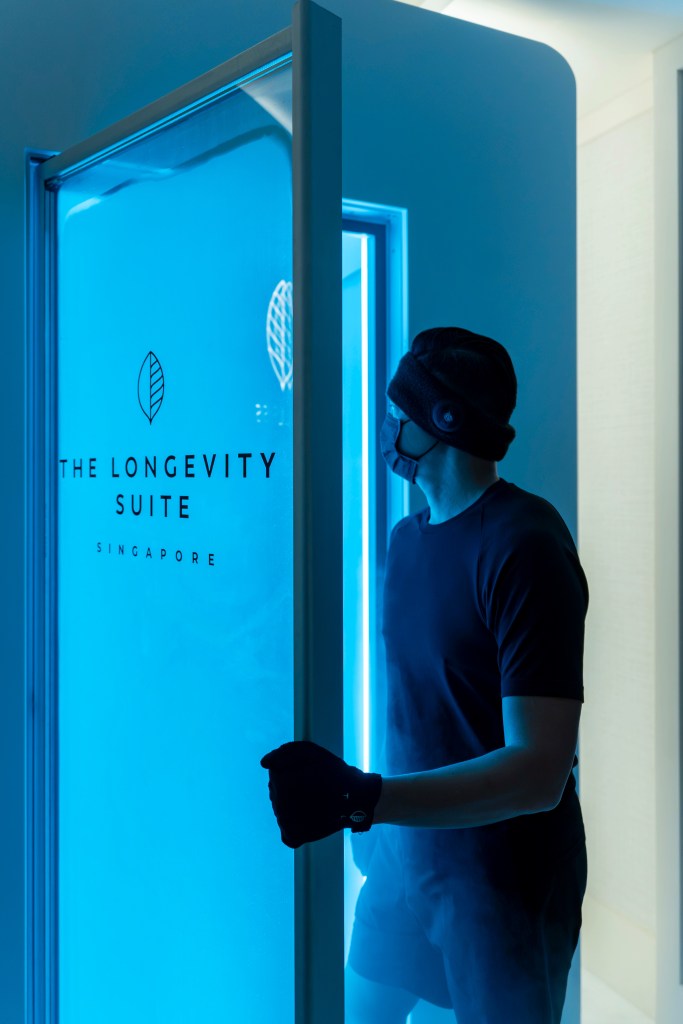
When The Longevity Suite opens its Singapore flagship at METT Singapore on 30 November 2026, it will bring a European longevity model into a city that is arguably unusually well positioned to reinterpret it.
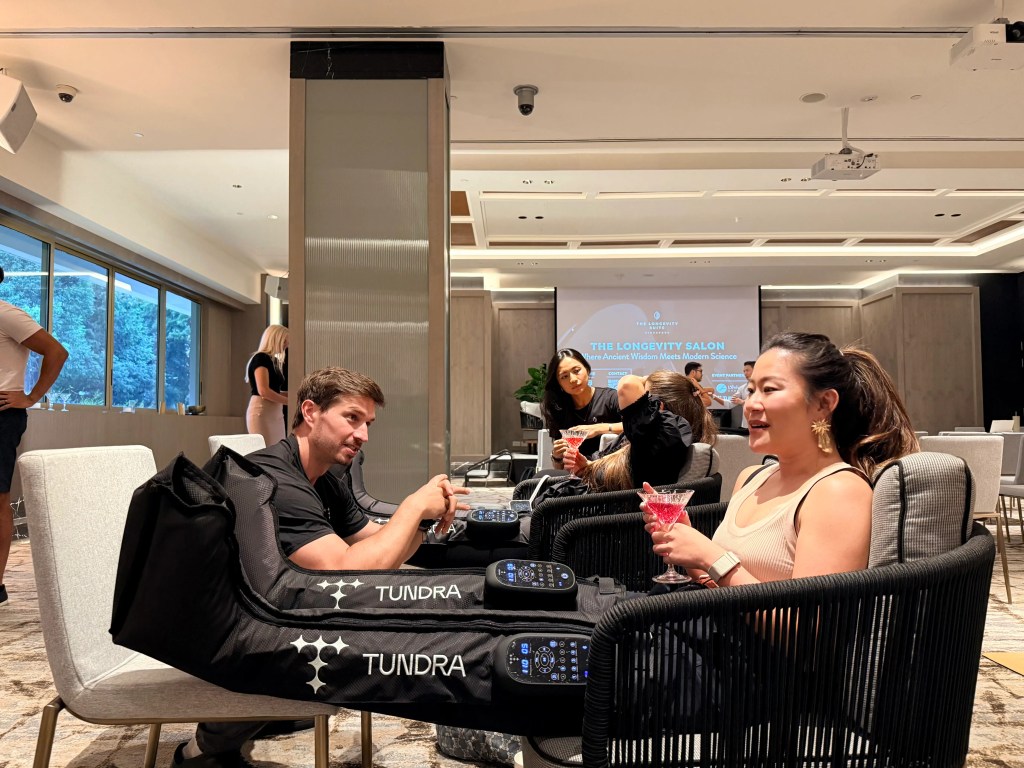
The Italian-founded network, which has more than 35 locations across Europe, is bringing its established combination of diagnostics, preventive medicine and biohacking to Asia – but with an important adaptation.
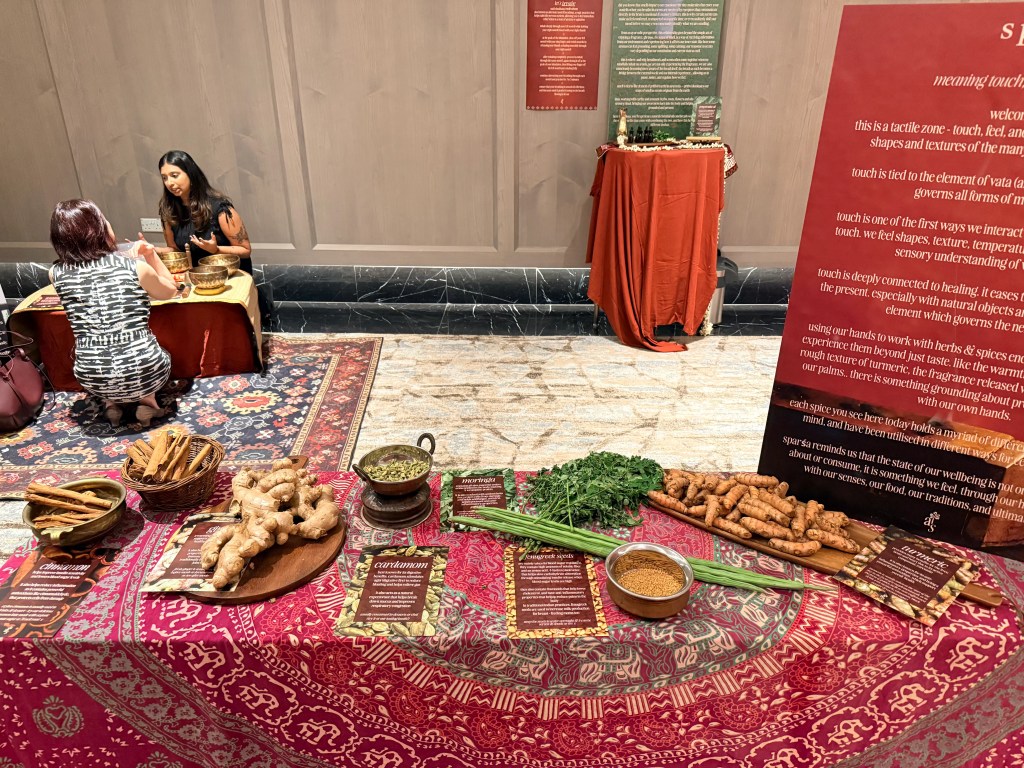
Its Singapore model is designed to incorporate Asian healing traditions including TCM and Ayurveda, alongside its Western medical and biohacking protocols.
The Singapore flagship becomes less a simple transplant from Milan than an experiment in cultural translation: Could the future of longevity medicine in Asia look less like East versus West, and more like East plus West?
READ MORE: So you’ve done a longevity screening. Here’s what happens next
This is the conversation The Longevity Suite wants to push further.
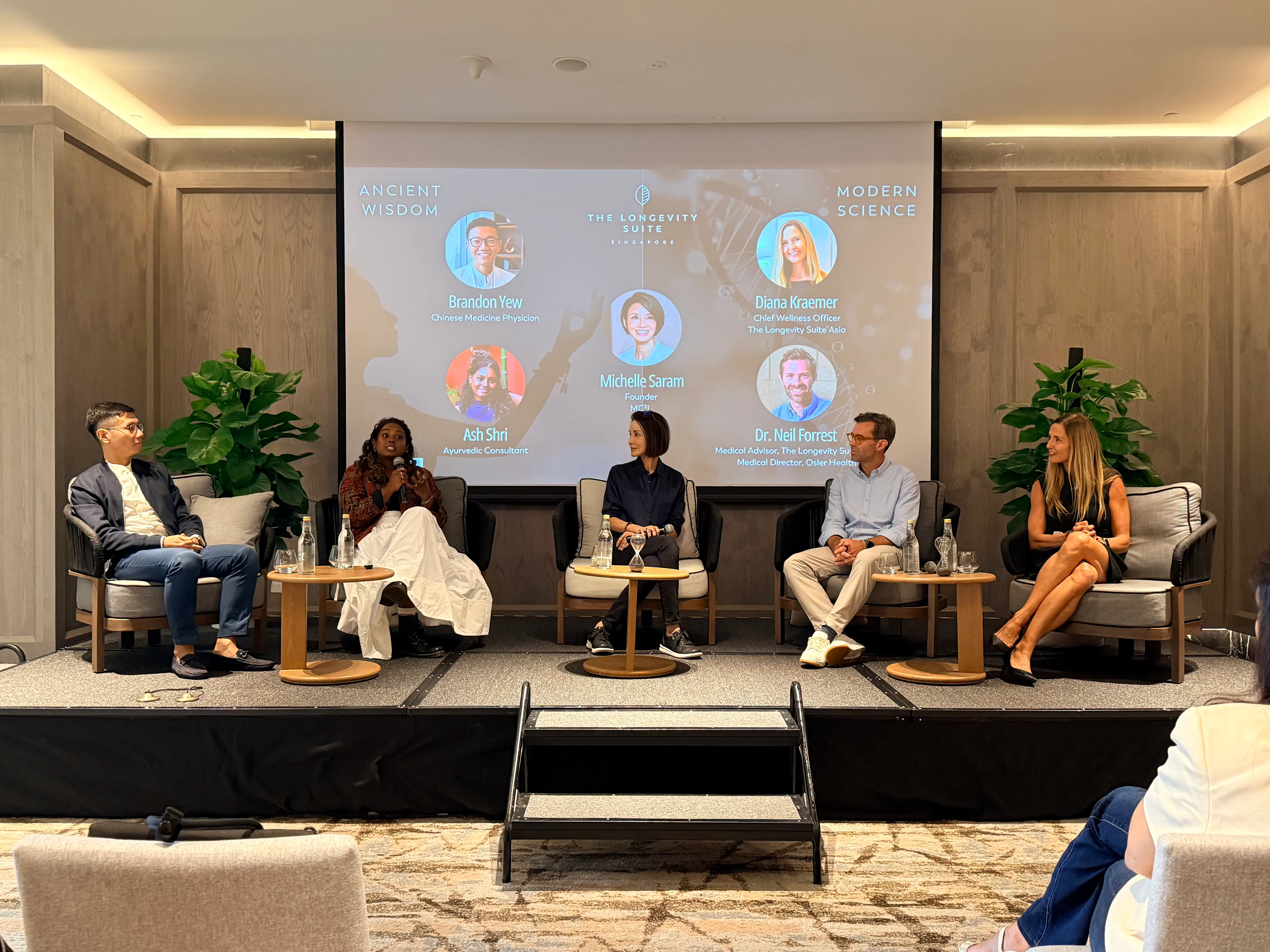
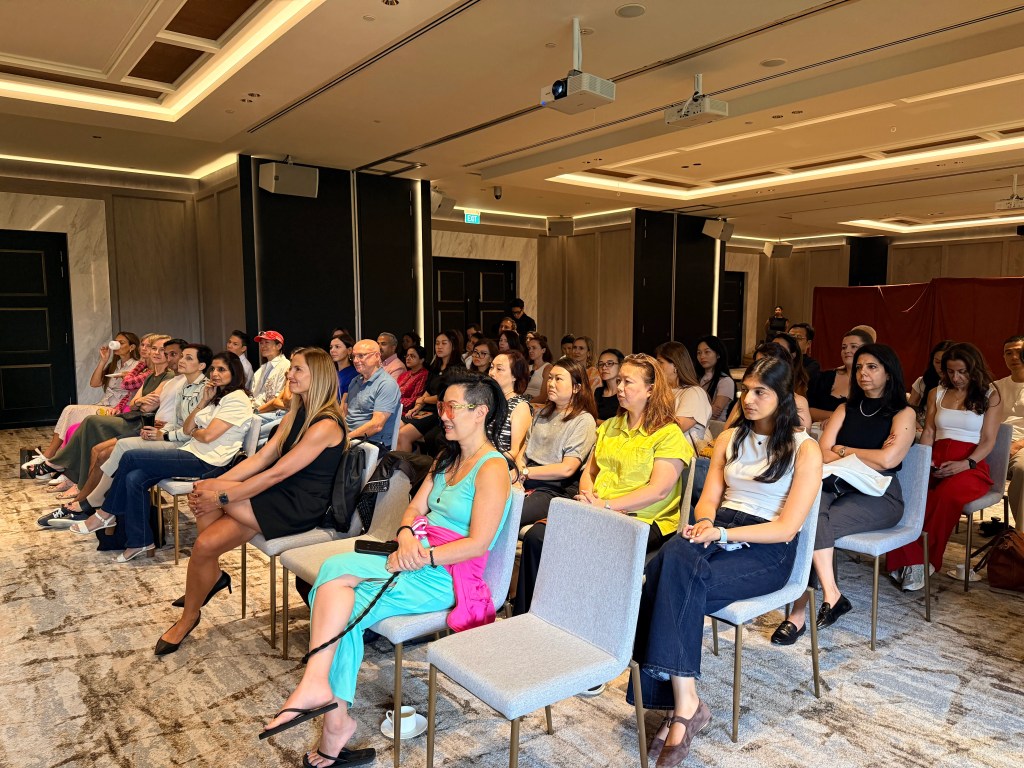
In late August, ahead of its planned Q4 opening in Singapore, the Italian longevity brand convened a panel bringing together its resident medical advisor Dr. Neil Forrest, Chief Wellness Officer Diana Kraemer, former Tan Tock Seng Hospital (TTSH) acupuncturist-turned-TCM physician Brandon Yew, and Ayurveda consultant Ash Shri, founder of Ahimsa Sanctuary.
Moderated by Michelle Saram-Zecha, former actress/singer and founder of Michelle Clean and Conscious Living, the discussion explored a question that is becoming increasingly relevant as longevity medicine takes root in Asia: What happens when modern longevity science meets ancient systems of healing?
For Dr. Forrest, the answer begins with an open mind, but not an uncritical one. “We’ve got to be open to all these forms of traditional practice and the benefits that, ultimately, my only goal for my patients is for them to live longer, happier, better lives,” he said. “How they get there is individualised.”
But openness, he stressed, should not mean abandoning scientific scrutiny. “Equally, we shouldn’t just accept everything without question. Just because something has been accepted wisdom for 3,000 years doesn’t mean that we should just not apply the same rigour to it that we do other things.”
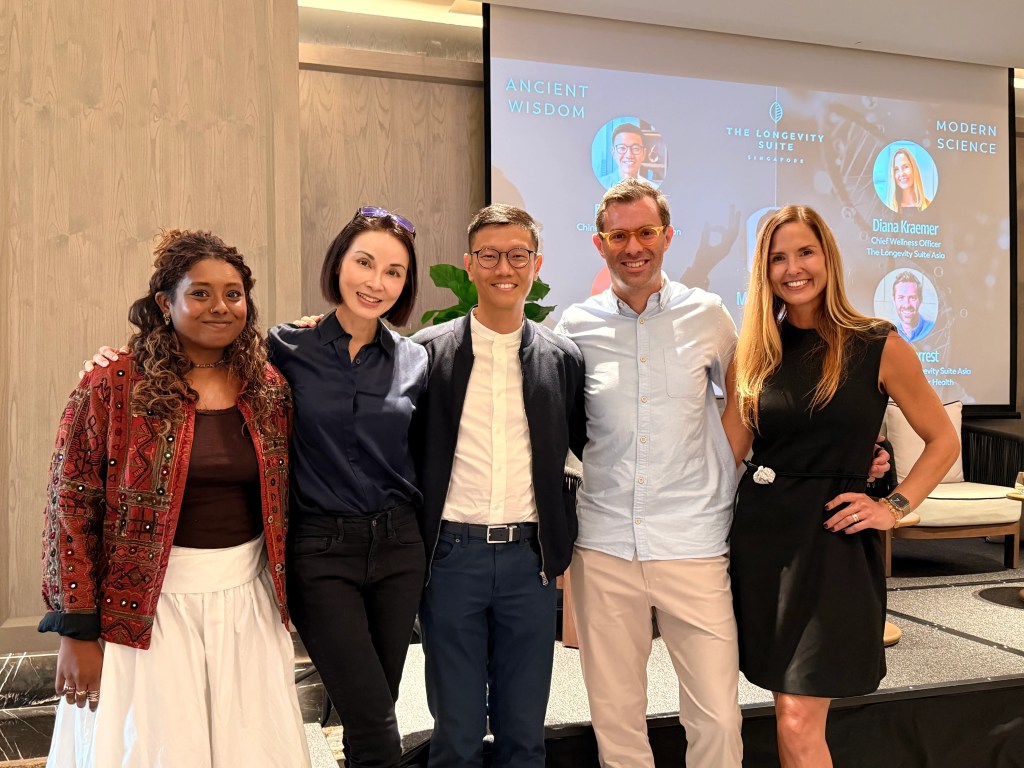
Yew and Shri subsequently offered perspectives on their respective disciplines, explaining how TCM and Ayurveda approach the body, health and wellbeing through systems that are fundamentally holistic and individualised.
They also acknowledged the limitations of traditional medicine – Yew was particularly vocal about the need for stronger scientific evidence, and the danger of allowing cultural pride or inherited wisdom to override scrutiny.
“The limitation is the data,” he said. “We need some strong evidence to show that all this wisdom is not just passed down from generation to generation, and people have to [accept it] because it has always been like this.”
At the same time, they questioned whether modern biohacking’s obsession with speed and optimisation risks going too far, bypassing the body’s natural processes – such as chewing, swallowing and digesting food – in the pursuit of faster results, such as using IV drip therapy.
For Shri, Ayurveda’s slower, more involved approach may be at odds with today’s time-poor, hyper-stimulated world. “Sometimes it takes a very long time to get to where you want to go. Ayurveda is a long process – it’s a commitment that requires time, energy and a lot of focus on yourself,” she said.
Kraemer, meanwhile, has spent the past two decades immersing herself in Asian practices. Having lived in both India and China, she has studied Ayurveda, Vipassana, pranayama and yoga – experiences that eventually evolved into what she describes as a “life mission” to find the intersection between ancient practices and modern longevity.
READ MORE: Would you drink matcha made from silkworms? This Japanese startup is betting you will
At The Longevity Suite, that intersection isn’t intended to be merely philosophical. It is being built into the patient journey from the outset.
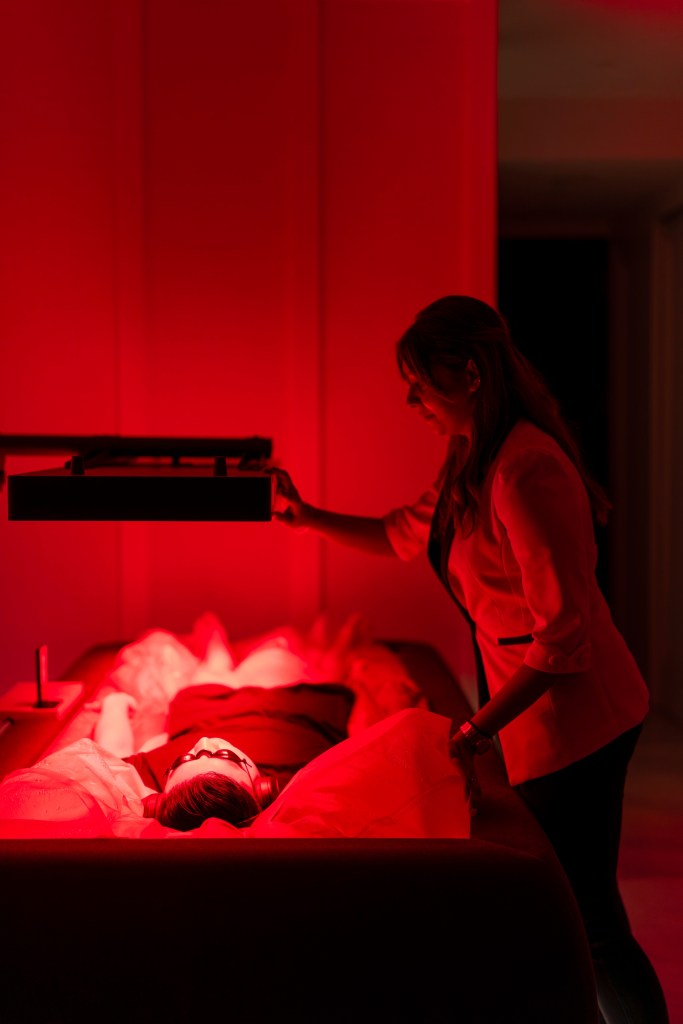
Alongside the conventional and advanced longevity diagnostics – from blood and stool testing to biomarkers and assessments of biological ageing – the clinic plans to incorporate both Ayurvedic and TCM assessments.
“We do the basic diagnostics [all the way to] the very deep longevity diagnostics, but we also include Ayurveda dosha mapping and the full consultation to really understand the prakriti of the person,” Kraemer explained.
The same principle extends to TCM. “We also include chi/qi meridian mapping to really understand the energy and the elements of the person.”
The Asian modalities aren’t being presented as optional add-ons at the end of a Western medical assessment. They form part of the picture that The Longevity Suite is attempting to build of each individual from the beginning.
And that brings the conversation back to the other half of the equation: Longevity medicine itself.

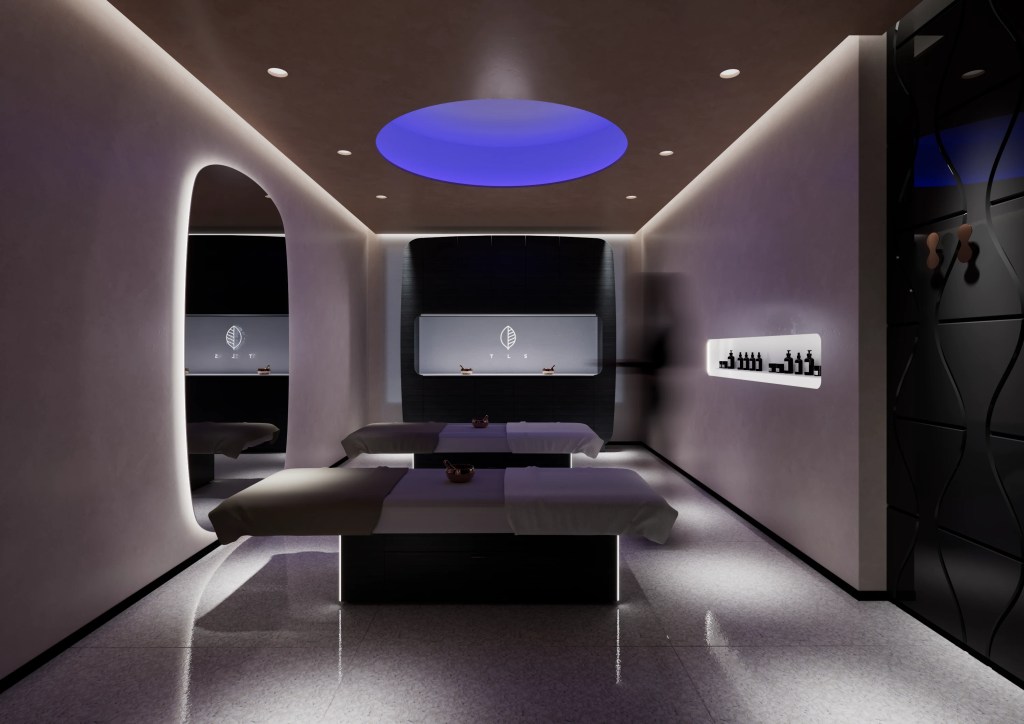
According to Dr. Forrest, longevity medicine isn’t about abandoning the foundations of conventional medicine in pursuit of ever more exotic diagnostics. Many of the initial assessments remain resolutely familiar.
“A lot of the initial medicines are going to be things that would have already been made. We haven’t thrown away the traditional measurements,” he said. “I would still want to know someone’s blood pressure. I would still want to test someone’s liver and kidney function. I would still want to test someone’s hormones.”
The difference lies in what medicine can now see beyond those traditional measurements. “I think what’s different in the longevity field is probably two things in terms of diagnostics,” he added. “Can we measure things that we know are important that traditionally we haven’t been very good at, or even able to measure?”
He pointed to areas increasingly central to longevity medicine, including cellular senescence, mitochondrial health, stress and circadian rhythms.
“Traditional Western medical tests weren’t great. It wasn’t that Western medicine doesn’t think these things are important. It’s that we didn’t have great biomarkers or diagnostics to test them.”
Advances in longevity science – alongside the explosion of wearable technology and continuous health monitoring – are beginning to change that.
The second shift, he argued, is even more fundamental: The possibility of measuring ageing itself. “We have health and disease, but we have the ageing process that’s going on in the background,” Dr. Forrest explained. “Traditional Western medicine is very good at testing for disease processes across spectrums, but hasn’t up until now been able to measure the ageing processes.”
Ultimately, the Singapore flagship is more than an overseas outpost of an Italian/European/Western longevity brand. It is an opportunity to adapt the model to a region where personalised, traditional systems of healing have long been part of the cultural fabric.
“We want to expand the concept to fit into the Asian palette,” Kraemer said. “This is where we can bring together modern, cutting-edge biohacking and amazing technologies with an ancient wisdom that has existed for centuries.”
The ambition, then, isn’t necessarily to make Western medicine more Eastern or Eastern medicine more Western. It is to see what happens when both are allowed to contribute what they do best.
READ MORE: Inside a Thai billionaire’s personal longevity retreat that’s not just for the elite