Popular Searches:
Recommended Posts


Search Results



tulåh founder Faizal Kottikollon explains what guests can expect during their US$1,600 a night longevity retreats
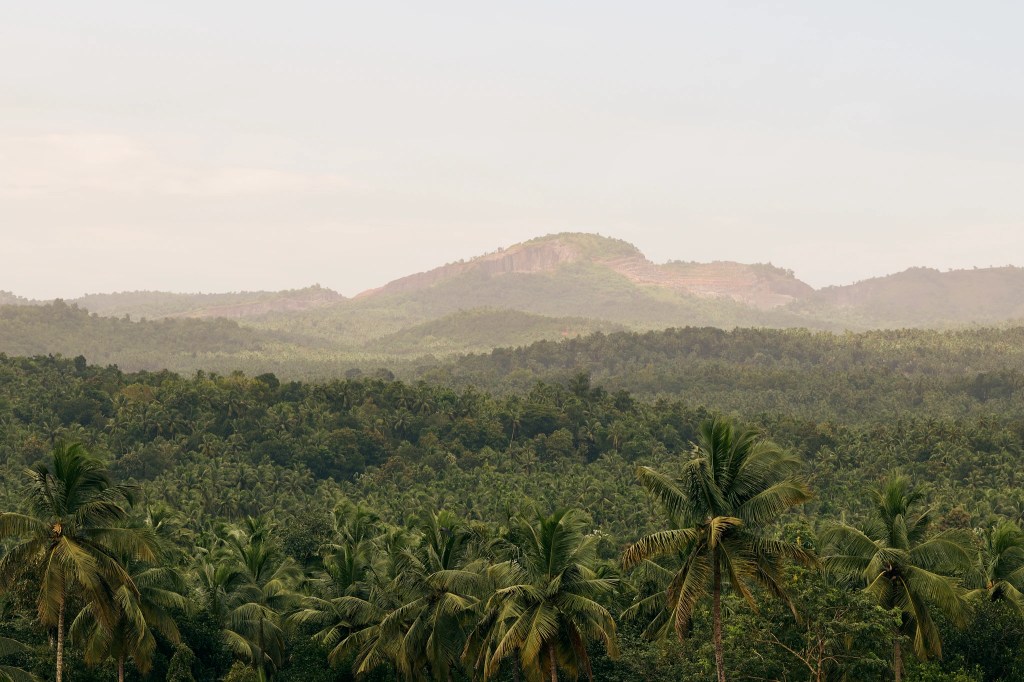
Imagine yourself peering out over the lush foothills of a mountain range. The air is fresh, and a light breeze carries the scent of dense, misty jungles nearby. It’s at once soothing and invigorating, a healing touch extended in a way that only nature knows how.
It’s against this quietly restorative backdrop that social impact entrepreneur Faizal Kottikollon, 62, chose to pursue his latest venture: tulåh Clinical Wellness Sanctuary. Nestled in the backwaters of Kerala, India – just outside the city of Kozhikode (Calicut) – this 12-hectare, US$100 million (S$128 million) facility is taking Asian longevity to the next level.
With 65 suites and 14 treatment areas interwoven between restful medicinal gardens and rewilded forests, tulåh looks set to live up to its name as a sanctuary for the mind, body and soul. But don’t come here if you’re chasing the next Big Thing in luxury Asian resorts, or worse, bragging rights on your socials.
“I will be direct: tulåh is not for the person who wants a facial and a massage in a beautiful setting,” quips Kottikollon matter-of-factly. “There are many beautiful places for that. Tulåh is for the person who wants to understand why they are the way they are, and what they can do about it, with the best of both ancient wisdom and modern clinical science behind them.”
To get to tulåh, which means “balance” in Sanskrit, you’ll need to fly into Calicut International Airport. There aren’t any direct flights from Singapore, so you’ll have to transit in Chennai or Mumbai. But once in Calicut, the Sanctuary is only a 20-minute drive away.
READ: Longevity centres and clinics in Singapore. Which one is right for you?
Kottikollon, whose net worth is estimated at US$1.1 billion, is the founder and chairman of KEF Holdings, a diversified company with operations across the Gulf, India, and Singapore. The India-born, UAE-based businessman is known for building hospitals and schools, including Calicut’s Meitra Hospital, a private institution designed with the help of America’s renowned Cleveland Clinic.
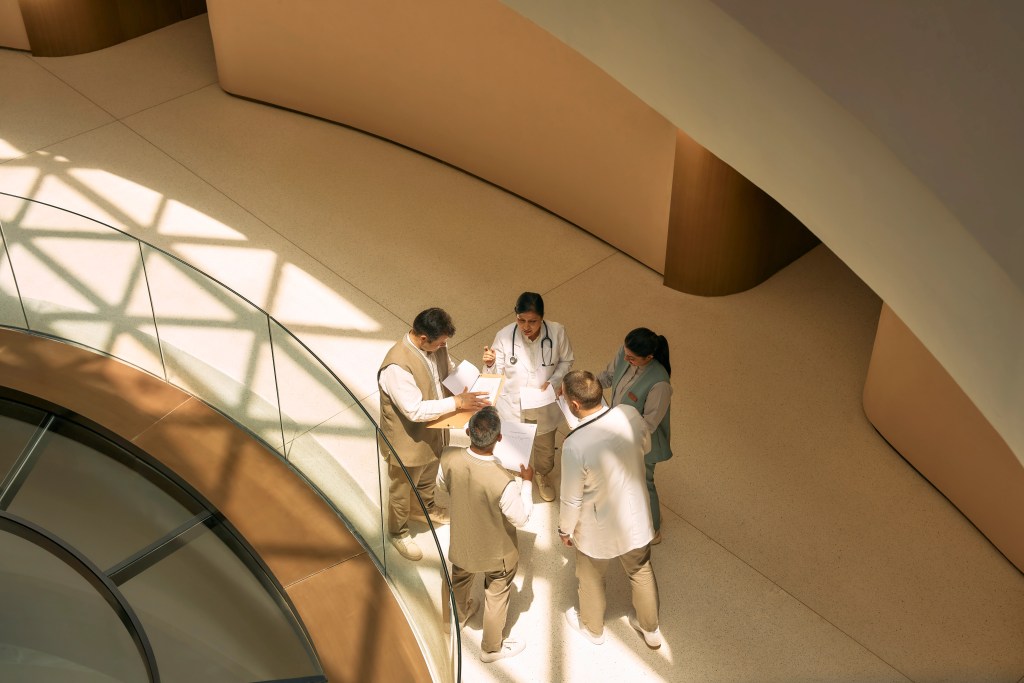
tulåh, which opened in February 2026, is affiliated with Meitra Hospital; guests have access to its 200-plus specialists if necessary. But of course, the idea behind preventive healthcare facilities like tulåh is to keep folks out of hospitals in the first place.
Kottikollon adds: “Our focus is on lifestyle diseases, musculoskeletal conditions, burnout, metabolic health, and longevity – the vast, underserved territory between feeling unwell and being hospitalised.”

“For over five thousand years, Kerala has been giving and sharing its healing wisdom with the world. Ayurveda didn’t just survive here, it thrived, evolved, and deepened.” – Faizal Kottikollon
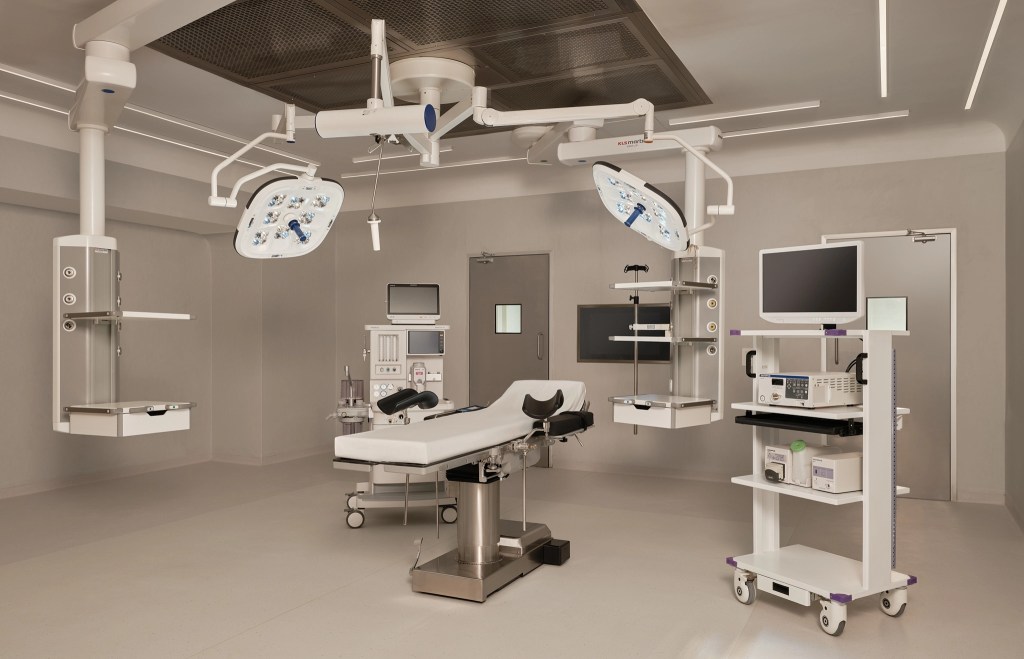
One thing that stands out from other longevity centres in Asia – such as Chiva-Som or RAKxa Integrative Wellness – is the availability of advanced medical facilities. For patients suffering from chronic conditions, tulåh offers everything from CT and MRI scans, to an operating theatre, ICU and medical suites.
tulåh is no pushover on the wellness end of the spectrum either. Besides standard-issue hyperbaric oxygen chambers and cryotherapy cabins, the Sanctuary also boasts a number of unique offerings.
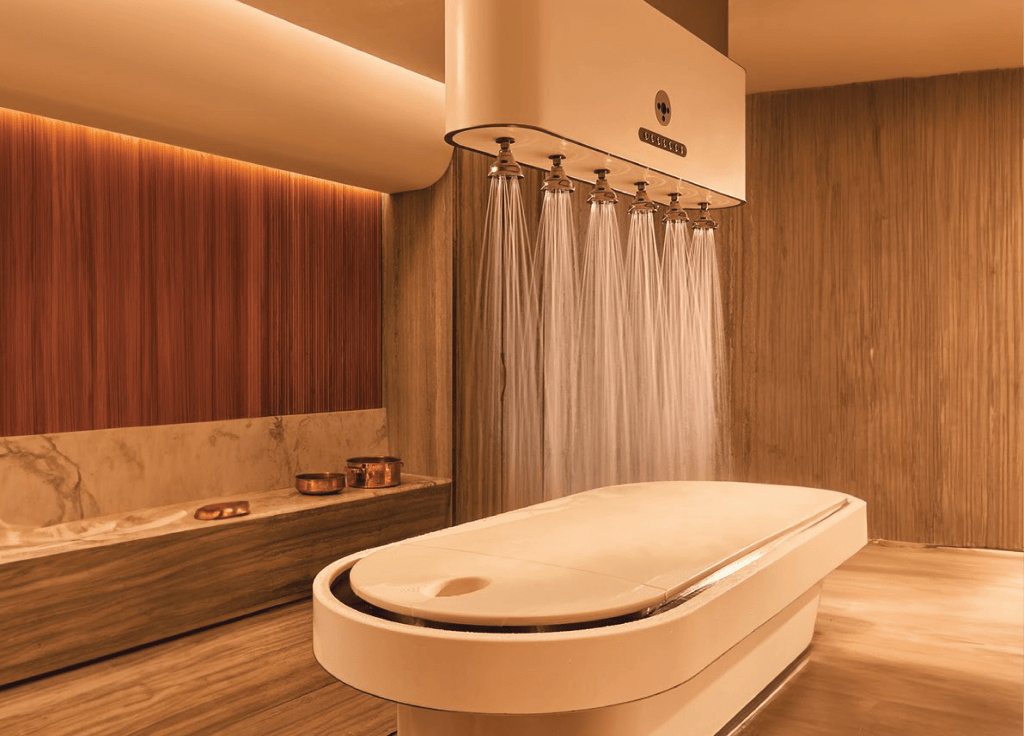
Chief among them is the world’s first Ayurvedic Vichy bed, a patented, in-house developed equipment that integrates heat, sound frequency, vibration, and hydrostatic pressure simultaneously. “The result is that the therapeutic compounds penetrate the skin and tissue at a depth and consistency that manual application simply cannot achieve,” Kottikollon says proudly.
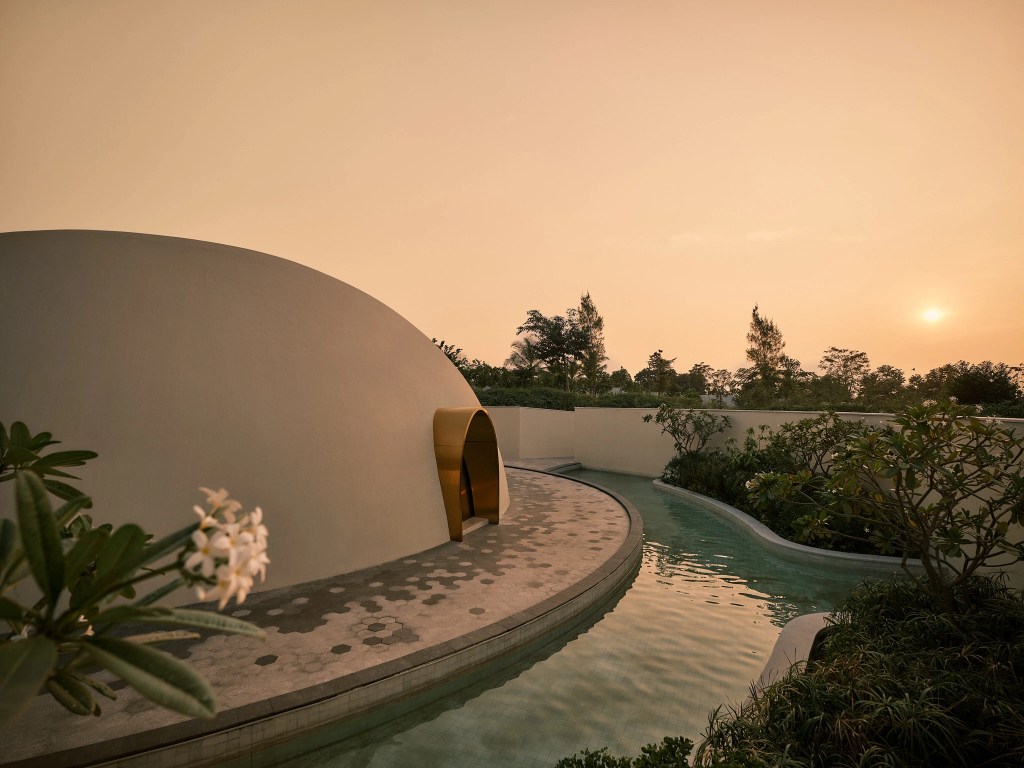
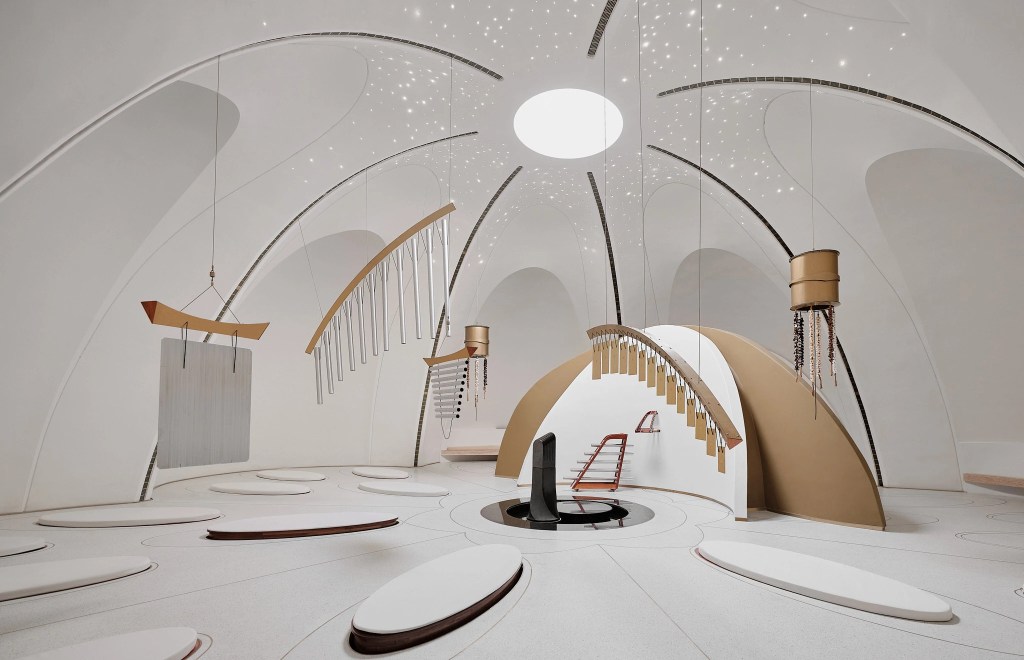
And then there’s the Sonorium – the world’s largest sound healing dome that has been specially engineered to allow resonant frequencies to move through the entire body. A session here is basically your gym’s sound bath class taken to the nth level.
Here, we speak to Kottikollon to find out why he decided to build a longevity centre, who it’s targeting, the user journey, and what US$1,600 (S$2,044) a night gets you.
READ: Part 1: In conversation with the co-founders of Elyx, Singapore’s first concierge longevity service
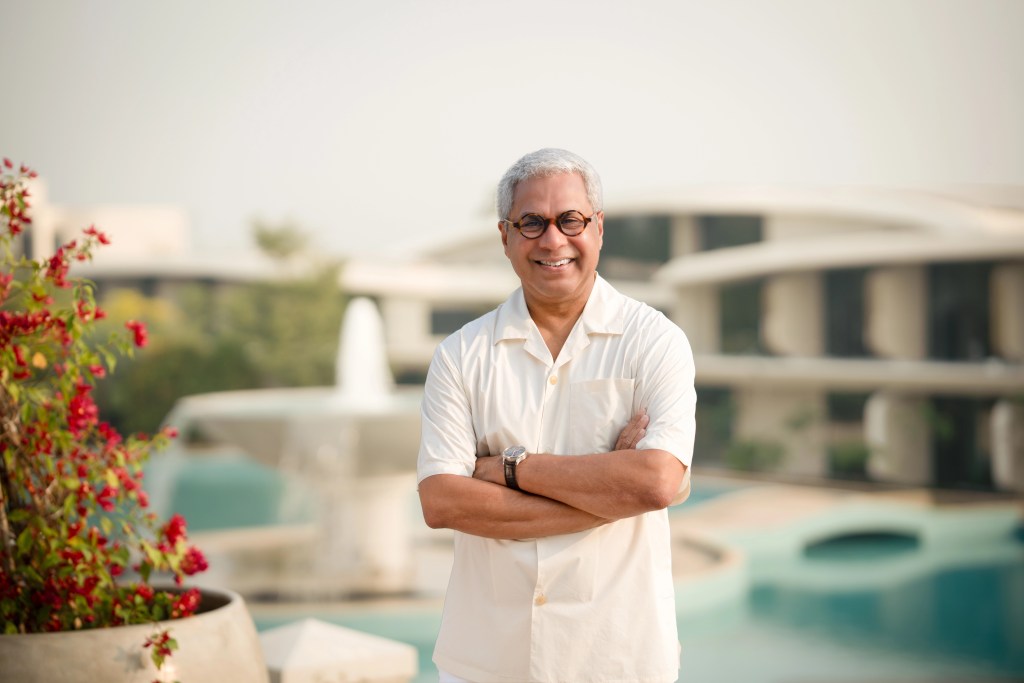
“I’m building something that gives people back the most important thing of all: Their health, before they lose it.” – Faizal Kottikollon
1. The Longevity Project (TLP): What made you decide to build tulåh? Can you share the moment or experience that first sparked the idea?
Faizal Kottikollon (FK): It started with my left hand going numb.
I’ve been a yoga practitioner for many years. I loved doing headstands. What I didn’t know was that years of doing them incorrectly had been compressing my vertebrae, damaging the nerves.
When I finally saw doctors, they were unanimous: Major surgery was the only answer. I said, let me look at this differently before we make any drastic decision.
I came back to Kerala, my homeland, and I sat with an Ayurvedic physician. He prescribed me tissue regeneration therapy using a bolus treatment of goat protein, mixed with rice, milk, and spices.
The flesh of goats, in Ayurveda, is understood to be the closest chemical analogue to human flesh and protein. Through the skin pores, this protein enters the body, reaches the nerves, and deposits the RNA of the goat protein, which then regenerates the dead nerve tissue.
People look at me sceptically when I explain this. But I had three subsequent MRIs. The cervical issue was completely gone.
That experience changed everything for me. I thought: If I was an engineer, a businessman, and a skeptic by trade, and if I could be healed this way, what would happen if this ancient wisdom was integrated with modern diagnostics and clinical rigour?
The answer to that question became tulåh Clinical Wellness.
2. TLP: There are so many global wellness destinations that exist today. Was tulåh inspired by, or modelled on, any of them?
FK: I’ve visited all the major wellness resorts in the world. Clinique La Prairie, SHA, Chiva-Som, Lanserhof, and so on. I went to each of them as a student, not a tourist. And they are exceptional at what they do, I have enormous respect for them.
But what I noticed, everywhere, was a ceiling. You go, you feel better. You return home and within weeks, sometimes days, you’re back to the old patterns. There’s no follow-through, no data continuity, no real clinical depth. And even the best of them were not doing what I felt needed to be done, which is the true integration of modern science with ancient wisdom.
Additionally, almost none of them were bringing spirituality into the equation. Vedanta is a philosophy of life that addresses the mind and the self at the deepest level. You cannot heal the body completely while ignoring what is happening in the consciousness. That dimension was missing everywhere I looked.
So tulåh is not modelled after any of them. It was built to solve the gaps they all leave behind.

3. TLP: Who is tulåh designed for? Are you targeting wellness travellers, business folks, entrepreneurs, professional athletes, celebrities, or all of the above?
FK: The honest answer is: Anyone who is serious about their health. Not curious but serious. Because tulåh is not a holiday. It is an intervention.
We have corporate leaders who arrive completely burned out, their nervous systems under assault from years of high-pressure decision-making. We have athletes in recovery from musculoskeletal injury. We have individuals who have had a health scare and want a real, comprehensive reset. We have people who are simply intelligent enough to invest in prevention before they need to invest in cure.
What they share is not a demographic. It’s a mindset. They want depth. They want answers, to leave understanding their body better than when they arrived, and with a plan that continues after they leave.
READ: Part 2: In conversation with the co-founders of Elyx, Singapore’s first concierge longevity service
4. TLP: The tulåh Life Index™ is central to the centre’s approach. How does it shape a guest’s journey from the moment they arrive?
FK: The tulåh Life Index™ is the spine of the entire experience. Before a guest even arrives, we ask them to complete a pre-arrival assessment and we begin building their journey before they step through our doors.
On arrival, we run a full clinical diagnostic across your mind-body-energy: Body composition, genomic analysis, microbiome study, cardiovascular profiling, blood markers. All of that data is fed into the patented tulåh Life Index™ algorithm, which synthesises it into a single score out of 100.
From that score, every element of your programme is calibrated. The types of therapies selected, your movement, consultations, the nutrition – all of it responds to your score and results. Your practitioners can see it. Your doctor tracks it daily.
When you leave, the tulåh Life Index™ travels with you. We can monitor your trajectory, adjust recommendations, and bring you back in when the numbers warrant it.

5. TLP: How is Ayurveda incorporated into tulåh’s programming? Specifically, the Ayurvedic concept of Panchakarma, or detoxification?
FK: Panchakarma, at its core, is a deeply intelligent system of cellular detoxification. Five Sanskrit words, five processes. But what they represent is a complete methodology for drawing out accumulated toxins, resetting the nervous system, and restoring the body’s innate intelligence.
What we’ve done at tulåh is layer clinical precision on top of that ancient foundation.
Before any Panchakarma begins, a guest has undergone full diagnostics, we know their microbiome profile, their inflammatory markers, their genetic predispositions. The treatment is designed specifically for that individual’s constitution, their dosha profile and their current state.
We’ve also integrated modern modalities such as hyperbaric oxygen therapy, photo biomodulation, exosome infusions and so on, not to replace Ayurvedic protocols, but to amplify their effects.
Our philosophy is: Honour the original wisdom completely, and then ask what modern science can add. Never the reverse.
“Kerala is the single largest exporter of doctors and nurses in the world. Think about that. A relatively small state, contributing more healers to the global healthcare system than anywhere else on earth.” – Faizal Kottikollon
6. TLP: tulåh also features Clinical Yoga as one of its recovery modalities. How does it differ from other types of yoga that people might already be familiar with?
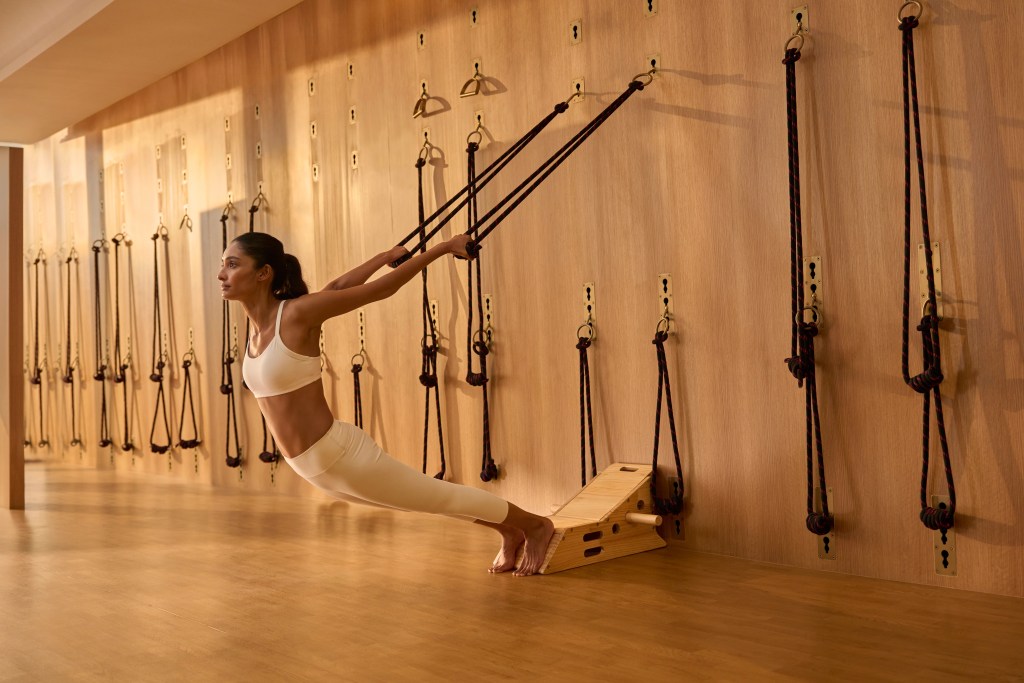
FK: Most people who practise yoga are engaging with it as movement, as mindfulness, as physical fitness. And it serves those purposes beautifully. But clinical yoga, which at tulåh is rooted in the tradition of B.K.S. Iyengar, is something quite different. It is a musculoskeletal discipline with therapeutic intent.
The spine is where everything begins for us. The spine is the home of the seven chakras, the seven energy centres that Ayurveda and yogic philosophy understand as governing the health of the entire system.
When the spine is compressed, misaligned, weakened, every system that depends on those energy pathways is compromised. This is not metaphysics. We see it clinically: Musculoskeletal misalignment correlates with neurological symptoms, with digestive dysfunction, with hormonal imbalance.
So what clinical yoga does is address the spine with precision. Specific props, specific holds, specific tech, restoring structural integrity and opening the energy pathways.
When the body is correctly aligned and genuinely strong, the mind follows. Clarity improves. Inflammation decreases. The nervous system downregulates from chronic stress.
I know this personally. Yoga done incorrectly damaged my cervical spine. Clinical yoga, done correctly, helped rebuild it. That personal knowledge is woven into our Clinical Yoga protocol at tulåh.
7. TLP: What kind of price range should guests expect for a programme?
FK: We are positioned at the top end of the global wellness market. Journeys start at US$1,600 (S$2,044) per person per night, and that is fully inclusive of all your treatments, your meals, your diagnostics, everything. Our minimum stay is four days, though many guests choose two or three weeks for a deeper programme.
I want to be clear about what that price represents. Within that cost, you receive comprehensive clinical diagnostics: Genome mapping, microbiome analysis, MRI where needed, full bloodwork.
You have a personal physician guiding your programme. You have access to 14 treatment rooms, clinical yoga, the Sonorium, regenerative technology and treatments, and a doctor-led team of experts working in genuine coordination around your specific health picture.
And crucially, your relationship with tulåh doesn’t end when you leave. You have access to doctor consultations, meal planning, movement regimes for 3-6 months post departure.
So the investment is not for one week. It is the beginning of a completely different relationship with your health. Measured against the cost of reactive healthcare later in life, it is one of the most rational investments a person can make.

“Uncertainty in the world tends to sharpen people’s focus on the things that matter most. And nothing matters more than your health.” – Faizal Kottikollon








Goh Peng Siang
This info is most exciting! And should be a source of interest to many who wants to live a long healthy life! I’ll be the first to apply for the master course when it’s available. 😊