Popular Searches:
Recommended Posts

Search Results

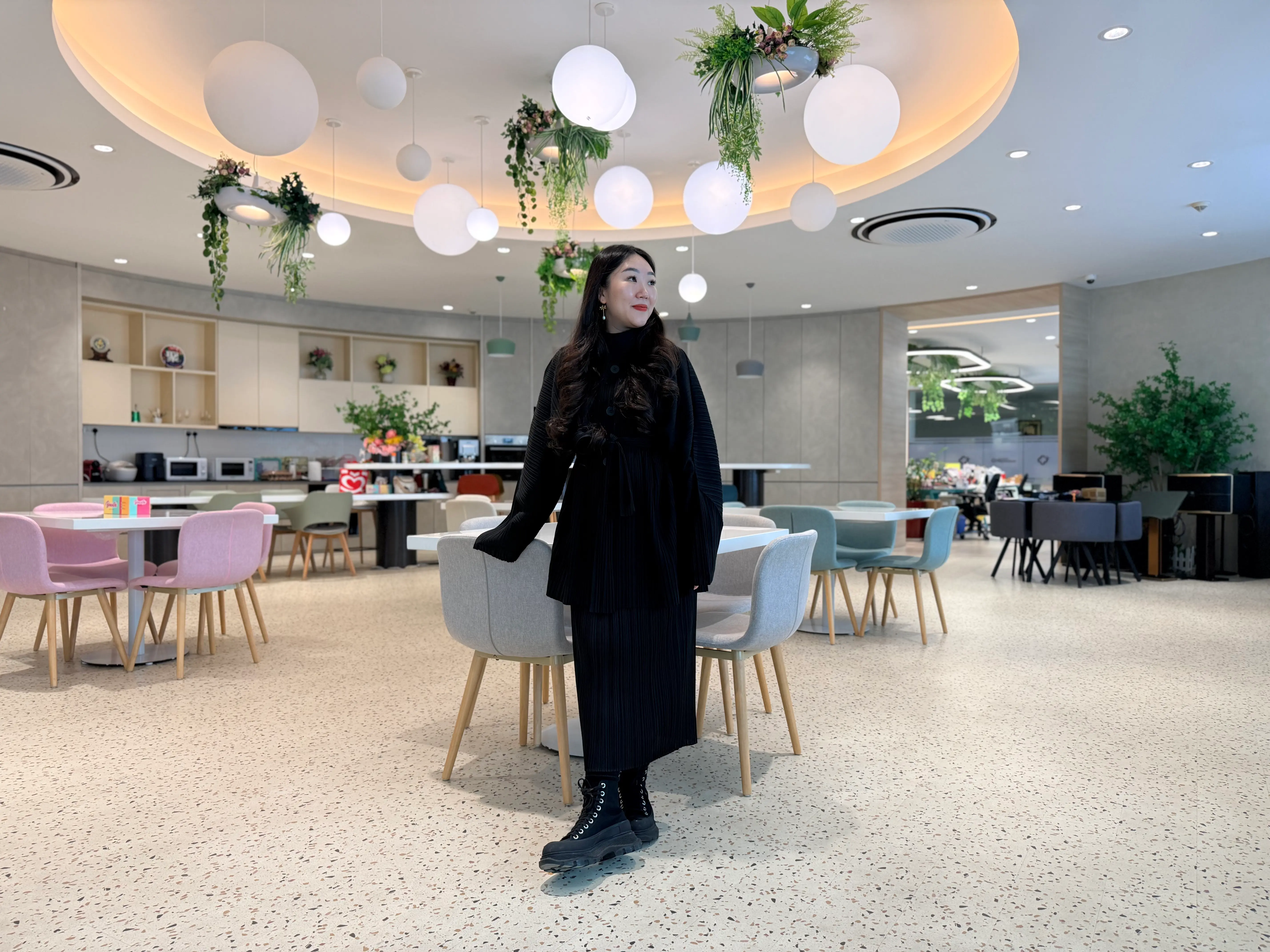

From NMN to magnesium, meet Zhang Weijia, the 31-year-old second-generation heir using TikTok to make longevity supplements a little less confusing
In a nutshell
If you’ve spent any time down the longevity rabbit hole, browsing the shelves at supplement shops, or scrolling past online supplement stores, chances are you’ve come across NMN (nicotinamide mononucleotide).
The molecule has become one of the buzziest names in the longevity supplement world, sworn by biohackers, discussed by scientists and enthusiastically flogged to anyone who would quite like to age a little more slowly, please and thank you.
There’s just one awkward problem: According to a 2024 study by researchers at the National University of Singapore (NUS), some NMN products sold in Singapore were not quite what they claimed to be.
Of 18 products tested, 15 contained less NMN than stated on their labels. Three of those, says Zhang Weijia (or Jia, for short), contained no detectable NMN at all.
For the 31-year-old, a second-generation leader steering her Singapore-based family business, the issue illustrates one of the biggest challenges facing the booming supplement industry: Just because a label says something is in the bottle doesn’t necessarily mean it is.
In some cases, the Director of Hi-Beau Group believes, there may be deliberate deception. But under-dosing can also come down to something less sinister, if no less problematic: A lack of technical expertise.
“Some of them may not have enough testing capability and manufacturing expertise to make an NMN product that wouldn’t degrade,” she says. “It could be more of a technical skill issue.”

READ MORE: Why are peptides everywhere right now? What’s science and what’s hype?
You might recognise Jia from TikTok. She’s become the public face of Estalife, a wellness and supplement brand that has found unexpected traction on the platform. The brand currently has more than 12,000 followers and nearly 30,000 likes – modest numbers by influencer standards, perhaps, but impressive enough for a company whose social media experiments had, by her own admission, largely gone nowhere for years.
Then came NMN.
In February 2026, Jia posted a TikTok with a simple premise: “I manufacture NMN. Here’s why some cost $200 while others cost much less.”
It struck a nerve. The video has since racked up more than 1.3 million views, unexpectedly turning Jia into a familiar face for Singaporeans trying to make sense of one of the buzziest longevity supplements on the market.
The flood of comments and questions that followed gave her the idea for more. In March, she filmed a four-part explainer series answering viewers’ questions about NMN. The four videos collectively clocked more than 156,000 views.
Suddenly, she found herself glowing in a viral fame aura. For someone who has been trying her hand at social media for about 13 years, it was, she admits, something of a surprise.
“We tried marketing on Facebook, TikTok, Instagram – all these years, they never took off,” she says. “So there were lots of failures in social media.”
READ MORE: Would you drink matcha made from silkworms? This Japanese startup is betting you will
Jia’s family has been involved in health and public healthcare for decades. Her grandfather spent some 27 years in the public health sector, including a stint as hospital director, while her mother incorporated what would eventually become the Hi-Beau Group in 2004, basing themselves out of a five-storey factory in Ang Mo Kio.
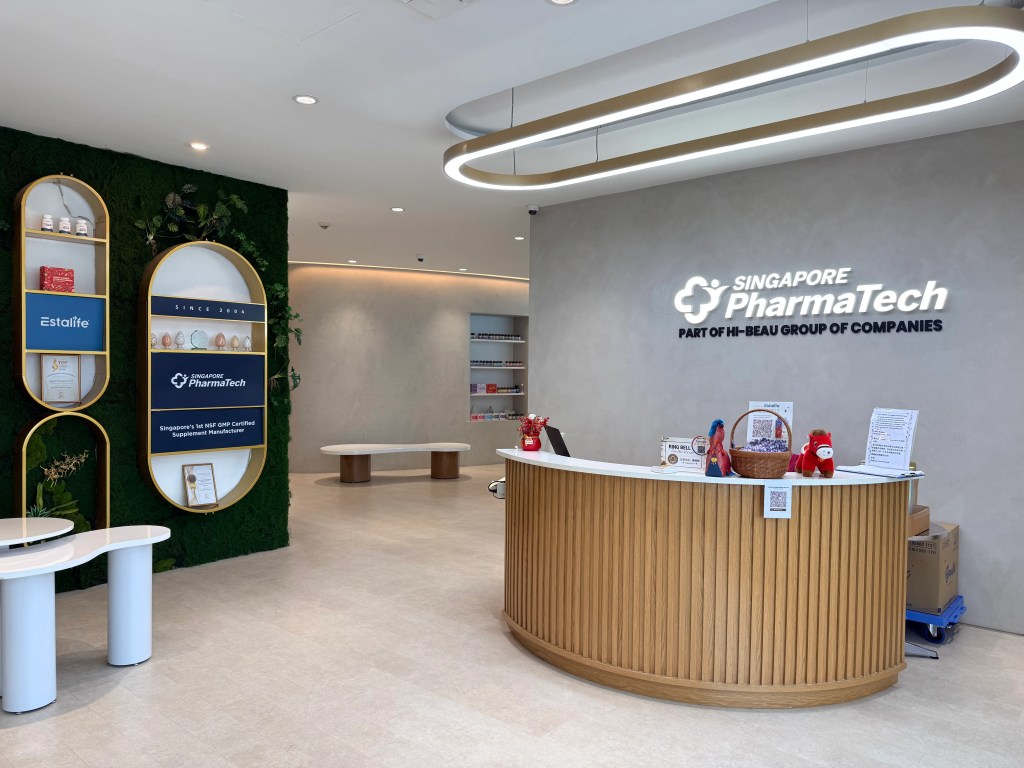
Today, the Singapore-based health, beauty and wellness group encompasses between 20 and 30 companies and is behind brands like Avalon, US Clinicals and Estalife. It formulates, manufactures and distributes nutritional supplements for Singapore and overseas markets, with products sold through pharmacies, TCM halls and e-commerce platforms.
In other words, longevity supplements were not something Jia discovered after watching a particularly persuasive wellness video at 2am.
She grew up around doctors and around conversations about health. On her mother’s side of the family, there is also a history of diabetes. “We were very conscious about what we ate,” she says. “There was a focus on diversity, vegetables and fruit.”
The adults around her, meanwhile, talked about the latest health findings, clinical studies, diet and exercise. It helps explain why, unlike some second-generation heirs who spend years plotting their dramatic escape from the family empire, Jia never felt a particularly strong urge to run away.
“I’m lucky that I’m not doing something I’m not interested in,” she laughs. “Let’s say manufacturing concrete. I probably wouldn’t have much interest in a mixture of concrete.”
Nutrition, on the other hand? Food as medicine? Closing nutritional gaps? That, she could get behind. Today, she is also pursuing her second master’s degree at the NUS Yong Loo Lin School of Medicine, focusing on nutrition and lifestyle medicine.
“It all gels well into a whole part of how I choose to live my life,” she says.
READ MORE: Is Foura, a new wellness-focused restaurant at Gardens by the Bay, worth the hype? An honest review
Her earliest memory of the family business has little to do with boardrooms, strategy decks or corporate succession plans. She was about nine years old when her mother started the company.
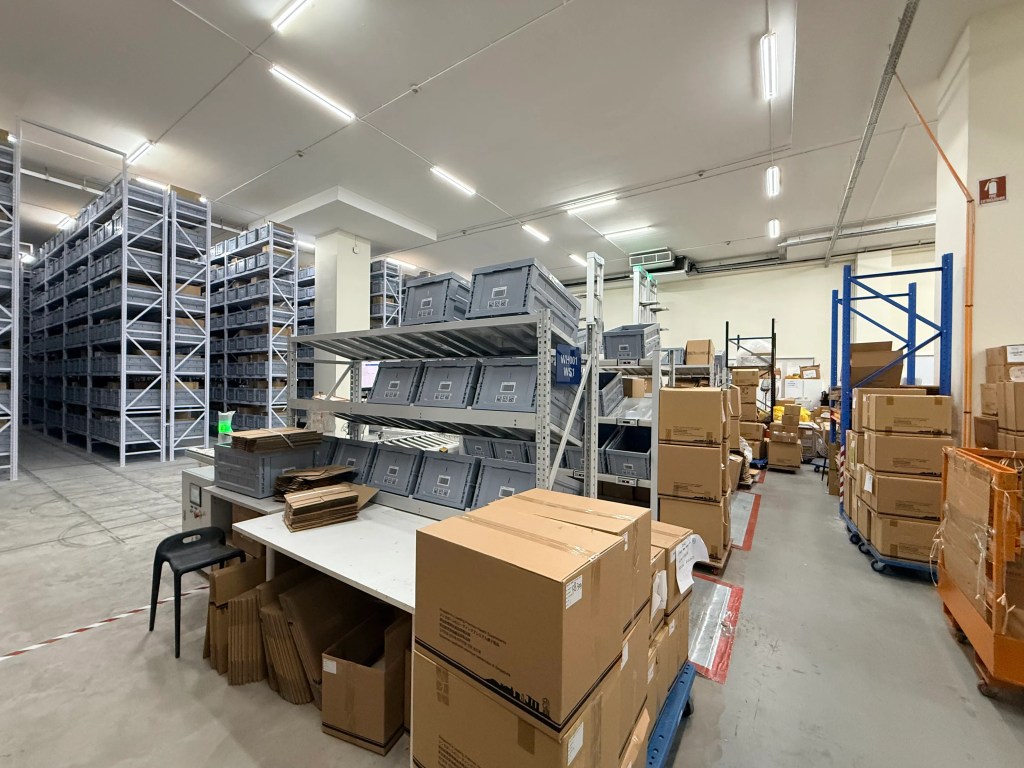
“I was warehouse employee number one,” she says. During busy periods, the young Jia would help pack products, sometimes working past midnight. The reward for a long day? A late-night bak kut teh feast. “That was a core memory for me growing up,” she says.
There is, perhaps, no better origin story for someone who would eventually become the family business’s resident ambassador on TikTok: Child labour, but make it nutraceuticals.
When she officially joined the business in 2013 at the age of 18, she arrived just as e-commerce was beginning to take off in Singapore. At the time, the company’s own brands were largely sold through traditional channels such as pharmacies. Her parents, she recalls, figured e-commerce was probably “a young person thing”.
So she gave it a go. The result was immediate. In their first month online, on the now-defunct platform Qoo10, the business generated S$19,000 in revenue – a figure that shocked everyone involved. It wasn’t a princely sum, but it wasn’t paltry either.
“At that point, our yearly revenue was about S$4 million,” she says. Today, the nutraceuticals side of the business generates around S$25 million in annual revenue.
The company went on to focus heavily on cross-border e-commerce and overseas exports for much of the following decade. But the next evolution would bring Jia back to the home ground.
READ MORE: Bobby Saputra: The billionaire “professional son” who doesn’t want to live forever
Estalife was originally birthed in 2019, but as a different concept and product line. It was relaunched in 2024, partly in response to a surprisingly persistent request from friends and family. They wanted products that the company was already manufacturing, but under its own name.
For years, much of the group’s work had happened behind the scenes. It was making OEM products for other brands and markets, but consumers did not necessarily know that the supplements they wanted could be manufactured just down the road.
After the pandemic, as export demand began to soften, the timing felt right for a pivot. “We thought, you know what? We should come back and focus on our home ground,” says Jia.
The idea was to create a direct-from-factory brand that could bring together the company’s nutritional products under one roof. And, crucially, give consumers greater visibility into what they were buying.
Estalife now has 49 SKUs, although Jia wants that number to top out at 250.
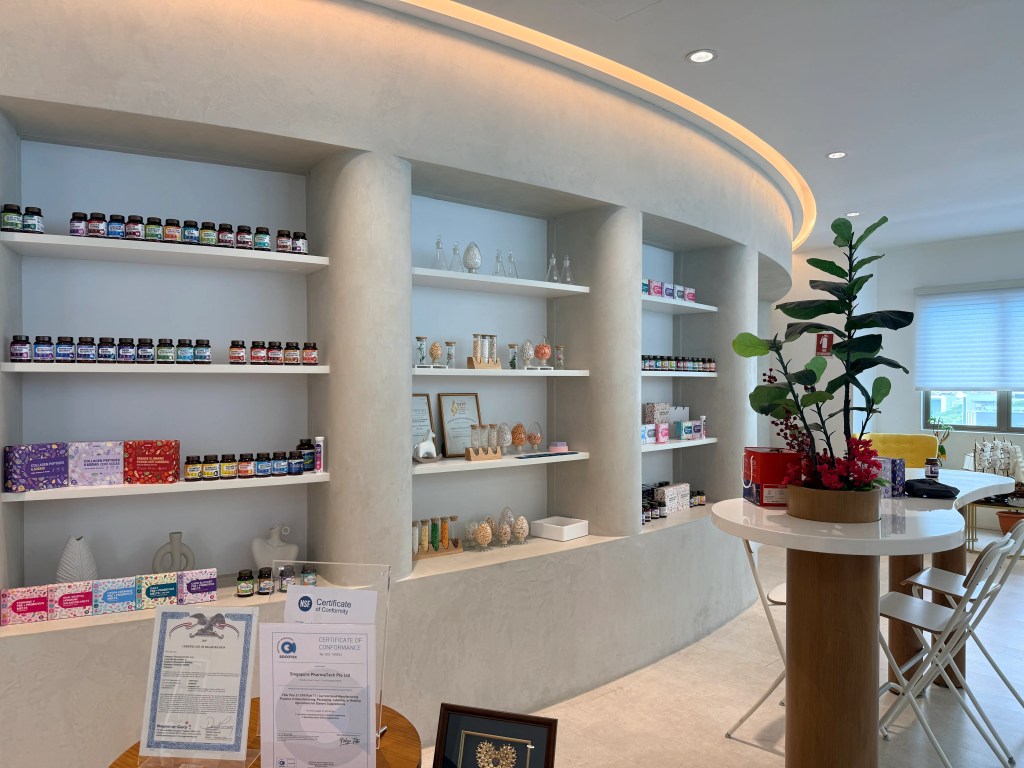
The company manufactures its products in its wholly owned Singapore facility, which is NSF GMP-certified and MUIS Halal-certified. Its team includes nutritionists, dietitians and food scientists. Every batch of products is third-party tested, and the company is working towards publishing full, unredacted lab test results on its product pages.
Because it manufactures in-house, the brand can also bypass some of the layers (and mark-ups) that typically sit between manufacturer and consumer.
For Jia, however, Estalife is not simply a branding exercise. It is also her attempt to rewrite the family business playbook for a generation that is just as likely to discover a longevity supplement through a TikTok video as they are through a pharmacist.
Not bad for Warehouse Employee Number One.
READ MORE: HYROX and longevity. What’s the connection?
You can think of NSF as the Harvard of GMPs. NSF is a US-based organisation and one of the world’s most recognised GMP auditing and certification bodies. We were the first supplement factory in Singapore to receive NSF GMP certification, and we remain the largest NSF GMP-certified factory here by production volume.
For us, it’s about bringing a much higher level of rigour to testing and manufacturing. We don’t just look at certification; we also work with major third-party laboratories such as SGS and Eurofins. We want to make sure the standards are high at every level, from the factory and manufacturing process to the finished product.
I love it. I’m currently doing my second master’s degree at NUS in nutrition and lifestyle medicine, and we’re literally studying how to improve overall longevity. We’re talking about eating more vegetables, exercising, sleeping well, managing stress, having friends and social connections, and avoiding things that harm our health.
I’ve always practised these things, so I’m a fan of the longevity movement. I’m just a little scared when people take it too far and start doing things that aren’t scientifically proven. In the social media era, misinformation spreads so quickly, and people are trying all sorts of things on themselves.
Yes, but I would add that practically all supplements can be considered longevity supplements in some way. If you’re talking about skin health, for example, your skin is an organ, so you’re also talking about connective tissue, hydration and overall health. Even weight loss is linked to longevity because maintaining a healthy weight is important for long-term health.
We are seeing more people specifically searching for the word “longevity”, but I don’t think it’s as many as people might expect. Perhaps 20 per cent of our customers are specifically focused on longevity. The rest are looking at things like signs of ageing or particular health concerns.

At the end of the day, it’s really about cutting through the noise and understanding yourself. Instead of hearing someone say, “This is trendy, try this,” and then another person recommending something else, you need to understand what you actually need.
Ask yourself: What is affecting you the most? What are the gaps in your diet or lifestyle? It’s much more important to understand your own situation rather than simply following whatever supplement happens to be trending.
Especially in the Singapore context, I would choose magnesium and vitamin D. Magnesium is an essential mineral that our bodies cannot produce, so we need to get it from our diet. It is involved in more than 300 biochemical reactions in the body, including functions related to muscle health, heart health and cognitive health.
Vitamin D is another one that surprises people because Singapore is so sunny. But studies have estimated that around half of Singaporeans may be vitamin D deficient. Vitamin D is important for things such as bone health and kidney function. I really believe in getting the basics right before moving on to things like NMN.
I’m working on bringing testing, reporting and transparency to the next level. A lot of global brands say their products have been tested, but if you want to see the actual report, you may have to email them and ask for it.
I think showing more of our reports can also encourage everyone else to raise their standards, which ultimately benefits consumers and businesses.
I hope we can contribute to education. I’m very interested in helping people understand nutrition properly, know what’s correct, stay away from pseudoscience and learn how to evaluate evidence for themselves.
Over the next five to 10 years, I’d like to build a space, whether through our website or Instagram, where people can find high-quality nutritional information presented in an understandable format.
And if we’re making good profits, I want to funnel some of that back into research – including research into pet supplements. My cats are basically my children, so I would love to see stronger evidence-based research in that area too.
READ MORE: Inside a Thai billionaire’s personal longevity retreat that’s not just for the elite