Popular Searches:
Recommended Posts



Search Results

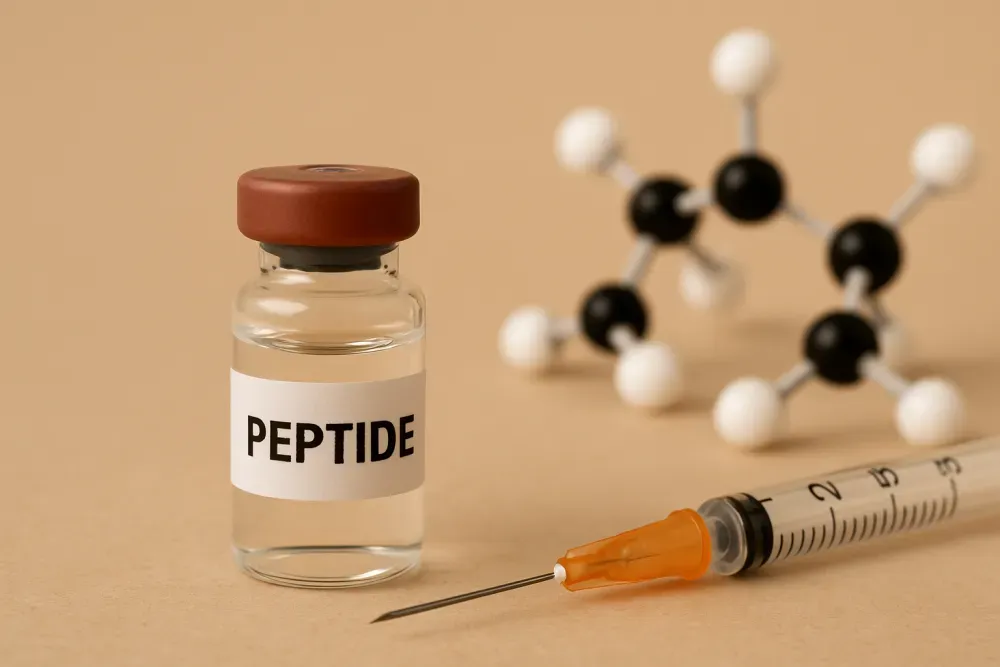

From collagen peptide powders and skincare serums to Ozempic and experimental longevity therapies, peptides have become a buzzword in health and wellness. Here’s how to tell which peptides deserve your attention, and which ones don’t
Peptides, peptides, peptides. If you have any remote interest in beauty, fitness, health or wellness, you’ll have come across the term on more than one occasion.
You might have spotted it on the ingredient list of a skincare serum. Or maybe you’ve noticed your fitspo colleague stirring collagen peptides into their protein shake. Perhaps your algorithms have fed you videos that rave about injectables promising weight loss, muscle growth or longevity.
Once confined to research labs and specialist clinics, peptides have exploded into the mainstream. Whether you’re scrolling through WellnessTok or browsing the shelves at GNC, LAC, Little Farms, Guardian Pharmacy or Watsons, peptides seem to be everywhere, and in some cases, touted as the Next Big Thing in healthy ageing.
That’s the problem. Peptides have become a catch-all buzzword. Thinking of peptides like they’re a single entity is like thinking of all tools as just a hammer, when they’re more like a massive toolkit that performs very different functions.
The growing popularity of peptides has fuelled a black market. Earlier this year, Singapore’s Health Sciences Authority (HSA) warned against the use of unregistered injectable peptides for weight loss and muscle gain after authorities uncovered products being openly marketed on social media.
Doctors cautioned that these products may carry risks ranging from hormonal and metabolic disturbances to organ damage, particularly when used without medical supervision.
READ: Should you get a longevity screening?
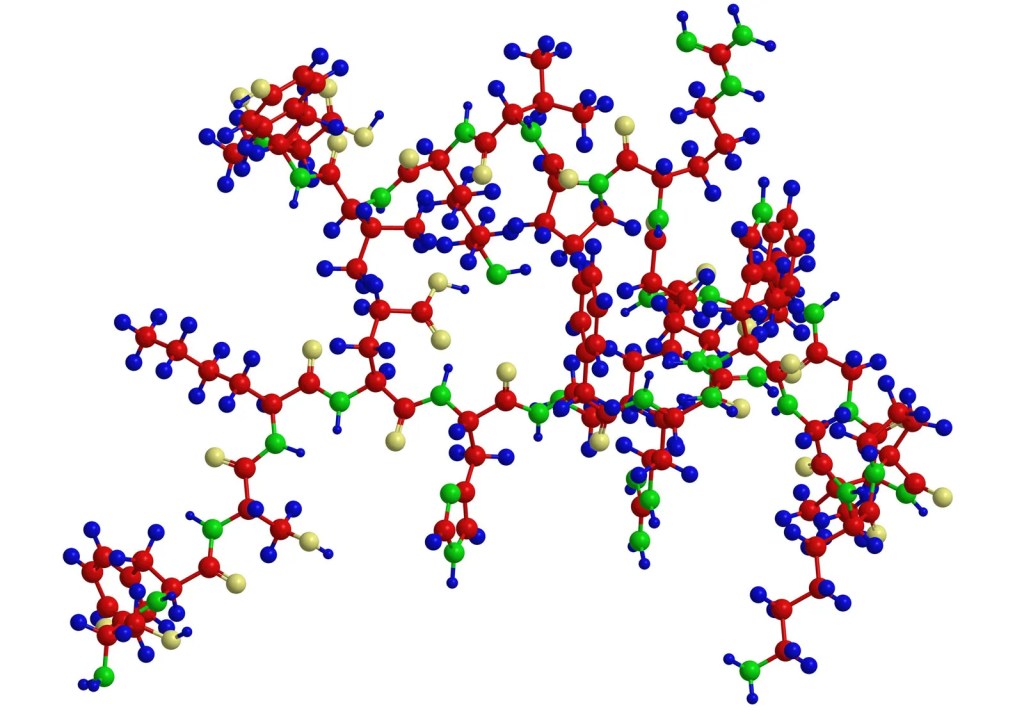
At their simplest, peptides are short chains of amino acids – the same building blocks that make up proteins. Peptides act as chemical messengers throughout the body, telling cells to perform specific tasks such as regulating hormones, repairing tissue, controlling inflammation and supporting metabolism.
Your body doesn’t create its own peptides. It relies on your diet to help it do that. So consuming enough protein – from fish, poultry, dairy, eggs, nuts and seeds – supplies the amino acids that your body requires to make them. Other vitamins and minerals – such as Vitamin C, copper, iron and zinc – also support peptide production.
“[Peptides] perform various functions in the body, have unique effects and potential medical applications,” explains Jaclyn Reutens, a clinical and sports dietician with more than 20 years of experience under her belt. Reutens is also the founder of Aptima Nutrition, a private consultancy based in Singapore’s Camden Medical.
Peptides can be found in everything from prescription medicines, nutritional supplements, protein powders, collagen drinks, skincare formulations and, more recently, experimental therapies being investigated for healthy ageing.
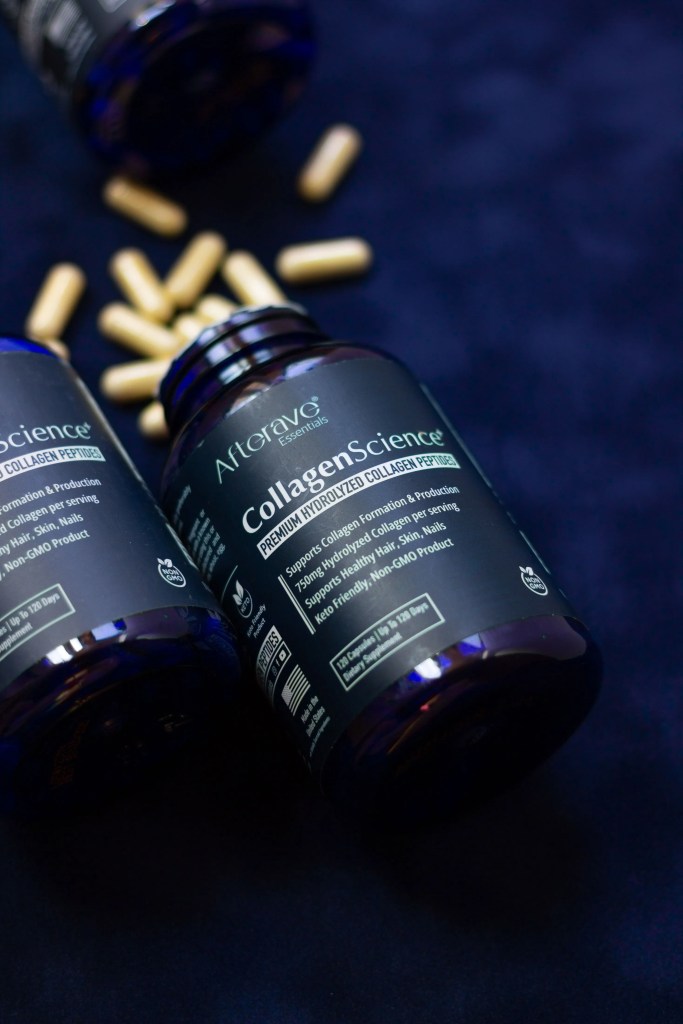
A common form of peptides – known as collagen peptides – are widely used in collagen powders or capsule supplements, protein drinks, protein bars and bone broth. They are small fragments of collagen protein, and are typically derived from marine, bovine, porcine or chicken sources, according to Reutens.
While they provide the building blocks needed for collagen production, Reutens caution against expecting miracles. “They cannot reverse ageing,” she states.
READ: So you’ve done a longevity screening. Here’s what happens next

There’s a misconception that all peptides are equally effective, or equally clinically proven. But the reality is that they fall into a wide spectrum: Some have become modern medicine’s greatest success stories; while others have a long way to go before their efficacy can be proven.
Insulin, discovered over 100 years ago, is arguably one of the world’s most famous, and successful, peptide therapies ever developed, transforming the treatment of diabetes worldwide.
More recently, GLP-1 weight-loss medications such as Ozempic (active ingredient: The peptide semaglutide) and Mounjaro (tirzepatide) have gained fame for their ability to help people with obesity and Type-2 diabetes achieve weight loss and better metabolic health.
Because poor metabolic health is one of the biggest drivers of age-related diseases, peptides have entered the longevity conversation.
As Dr. Egwin Yeo, Scientific Lead at Alpha Vitality, points out, “Metabolic dysfunction accelerates cardiovascular disease, diabetes, fatty liver disease, and loss of function.” Alpha Vitality is a longevity, performance, and preventive health centre located in Singapore’s CBD.
But here too, doctors urge restraint.
“The biggest misconception, in my opinion, is that GLP-1 medications are a ‘magic bullet’ for weight loss,” says Dr. Justin Lim, Resident Doctor at The Downstairs Clinic, a family clinic operating in the Everton Park public housing estate. “They are powerful tools, but they’re not a replacement for healthy eating and regular exercise.”
Dr. Lim regularly advises patients seeking treatments for weight loss and diabetes. The best results for sustained weight loss, he says, come when these medications are combined with sustainable lifestyle changes, particularly regular exercise and healthy diet choices.
“Many peptides marketed for anti-ageing, muscle building, or performance enhancement are supported by limited clinical evidence.” – Dr. Justin Lim, Family Physician
While GLP-1 medications and insulin demonstrate what peptide science can achieve, they are the exception rather than the rule.
“Many peptides marketed for anti-ageing, muscle building, or performance enhancement are supported by limited clinical evidence,” explains Dr. Lim. “For many of these products, meaningful benefits in humans have yet to be established.”
That’s not to say the science isn’t exciting.
According to Dr. Yeo, researchers are actively studying peptides such as BPC-157, which has become popular in sports and recovery circles. MOTS-c, a mitochondria-derived peptide, is also attracting attention for its potential role in metabolism and exercise biology.
However, in both cases, he notes that “robust human healthspan data” is still lacking.
Elsewhere, peptides like thymosin alpha-1 have shown promise in selected immune or infectious settings, “but its role in healthy ageing remains uncertain”. On the other hand, “GHK-Cu may have dermatologic and wound-related benefits, but that is very different from proving longevity effects,” says Dr. Yeo.
In the fitness world, peptides have gained a reputation for accelerating muscle growth, recovery and performance.
But there are still a lot of misconceptions that cloud peoples’ judgement.
“People think that peptides are fat burners because of the recent popularity of GLP-1 medications used for weight loss,” explains Reutens. “The truth is that peptides do not directly burn fat. They help reduce appetite and improve blood glucose control, which indirectly support weight loss.”
Another common misconception? “Just take peptides and you’ll build muscle,” says Reutens. “Certain peptides can influence muscle growth, but building muscle still requires regular resistance exercise and sufficient protein intake.” In other words, peptides aren’t there to enable you to cut corners.
As for healthy individuals chasing the latest performance-enhancing trend, Reutens has this to say: “It is important to separate science from hype. Some peptides are being studied for specific medical purposes that can support muscle growth or metabolism. But for relatively healthy individuals who are simply looking to improve performance and physique, the evidence is limited and based on small population sizes.”
As uninspiring as it sounds, the fundamentals remain unchanged. “No peptide can replace the fundamentals of performance: Progressive resistance training, adequate protein, overall nutrition, good sleep and recovery,” Reutens emphasises.
READ: HYROX and longevity. What’s the connection?

It’s the same thing when it comes to skincare, one of the fastest-growing areas of peptide use. They’ve become a staple ingredient in numerous anti-ageing creams and serums, but here again experts say that consumers often misunderstand what they’re actually designed to do.
“I have had patients who assume that if a trending product has peptides on the ingredient list, it is suitable for them,” says Dr. Kok Wai Leong, a dermatologist at Dermatology Collective Clinic & Surgery. “[But] peptides are not a one-size-fits-all ingredient in skincare. They… act as messengers, signalling skin cells to repair damage, boost collagen production and strengthen the skin barrier.”
Dr. Kok, whose practice has locations in Farrer Park and Orchard Road, adds: “In the skin, when collagen naturally breaks down, it leaves behind peptides. Our skin cells detect these fragments and start producing collagen. Therefore, skincare peptides can help stimulate the healing response, by triggering the production of new collagen, elastin, and hyaluronic acid.”
But they’re only one piece of the puzzle. “It is important to understand that peptides are a team player in achieving healthy skin,” Dr. Kok emphasises. “Rather than relying on peptide products alone, consumers should build a routine that also includes proven ingredients such as retinoids to promote cell turnover and antioxidants like vitamin C to protect against environmental damage.”
Skin ageing, he reiterates, is caused by several factors, including genetic makeup, environmental damage and hormonal changes.
Injectable peptides marketed specifically for anti-ageing deserve even greater scrutiny.
Although peptide synthesis has advanced considerably, many injectable peptides have relatively short half-lives, requiring frequent administration. More importantly, numerous products promoted online are not approved for cosmetic use.
“There are illegal imports with questionable efficacy for anti-ageing,” the dermatologist warns. “The Health Sciences Authority has issued warnings about potential public health risks, with reported side effects including severe allergic reactions, infections and inflammation.”
READ: Did you know? Your skin can signal deeper biological ageing than you think
“Certain peptides can influence muscle growth, but building muscle still requires regular resistance exercise and sufficient protein intake.” – Jaclyn Reutens, Clinical & Sports Dietician
So how should consumers navigate a broad and seemingly ever-growing category that spans everything from life-changing medicines to products with little supporting evidence?
Rather than asking whether a peptide is “good” or “bad”, Dr. Yeo recommends asking a different set of questions:-
Despite all the misconceptions, miscommunications and misuse, the future of peptide medicine remains incredibly promising.
Some peptide therapies – such as insulin and GLP-1s – have already transformed healthcare. “Future peptide drugs targeting sarcopenia, osteoporosis, fibrosis, or chronic inflammation could also become routine if they pass rigorous randomised trials,” offers Dr. Yeo.
However, they have to prove that they improve outcomes that matter, with minimal or manageable side effects.
The irony is that while peptides represent cutting-edge medicine, the advice from every expert interviewed for this story remains remarkably grounded.
For those hoping to live longer and healthier, the biggest wins still come from maintaining a healthy weight, exercising regularly, eating a balanced diet, getting enough sleep, managing stress and keeping blood pressure, cholesterol and blood sugar under control.
Peptides may eventually become part of that longevity toolkit – but they are unlikely to replace its foundations.
“It is important to understand that peptides are a team player in achieving healthy skin… Rather than relying on peptide products alone, consumers should build a routine that also includes proven ingredients.” – Dr. Kok Wai Leong, Dermatologist