Popular Searches:
Recommended Posts



Search Results

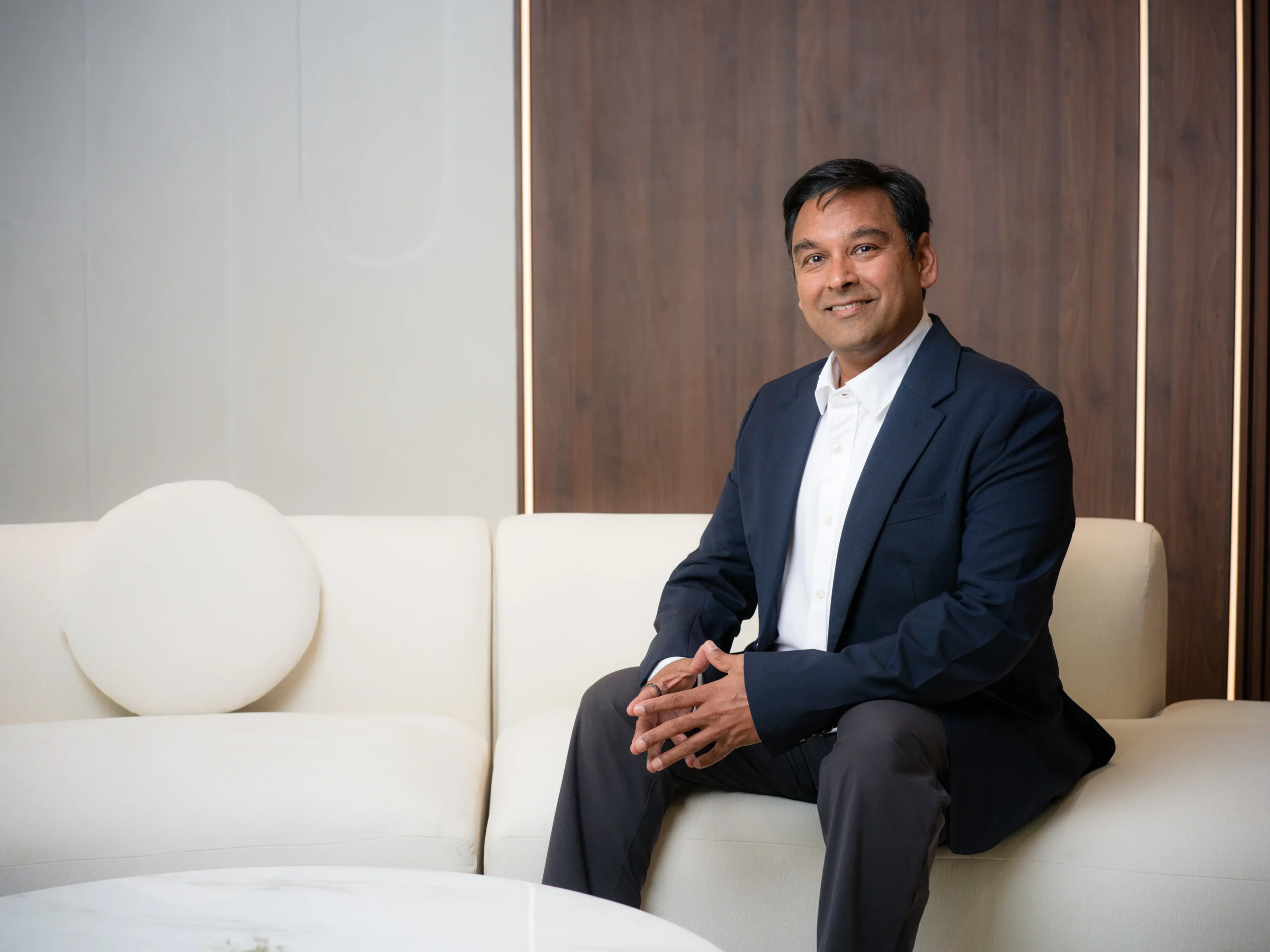

We speak to Elyx CEO Ashish Chordia, who justifies the US$150,000 (S$190,000) annual membership, and draws parallels between Elyx’s concierge-led service and wealth management
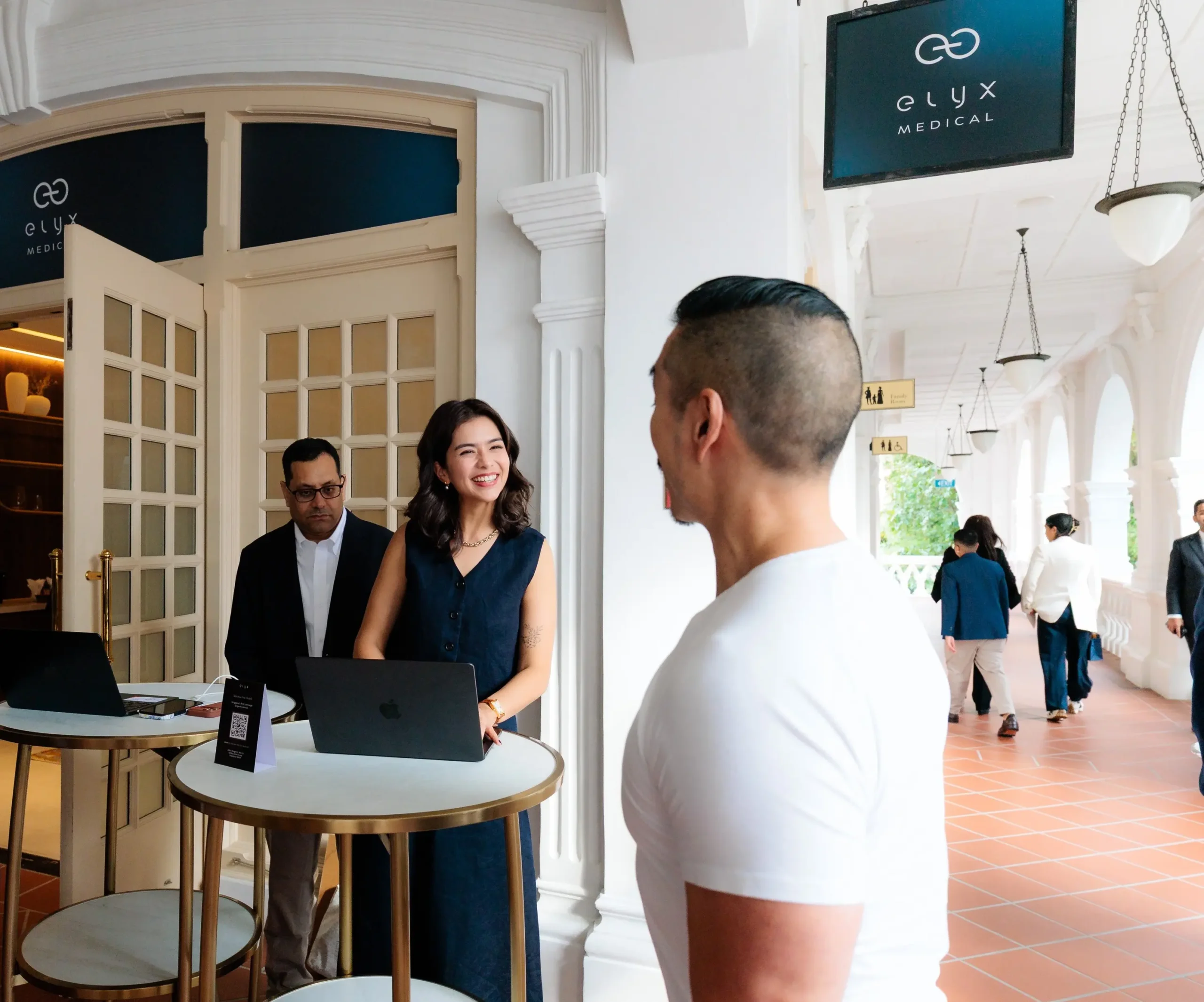
At the Raffles Arcade, the newly launched Elyx Life isn’t just another wellness offering. It’s a rethink of how healthcare should work. Founded by serial tech entrepreneurs Peng T. Ong, Ashish Chordia, Nishanth Sudharsanam, and Dr. Varun Reddy, the concierge-led service brings doctors, performance specialists, and AI into one tightly integrated system.
For Chordia, a Silicon Valley founder who spent heavily navigating a fragmented health ecosystem while reversing diabetes, the gap was obvious: “There isn’t a holistic service that covers everything.”
Elyx steps in as that missing link, functioning as a “captain for your health”, as Chordia put it, by orchestrating personalised, year-long protocols across diagnostics, nutrition, sleep, movement, mind, therapies, and supplementation.
The result? A high-touch, high-compliance model designed for globally mobile individuals who don’t just want to get better, but stay that way.
Here, we pick Chordia’s brains on the thinking behind Elyx, the power of concierge-led care, and why the future of longevity may look more like wealth management than medicine.
Read: Elyx Life opens at Raffles Arcade, billing itself as Singapore’s first “concierge longevity service”
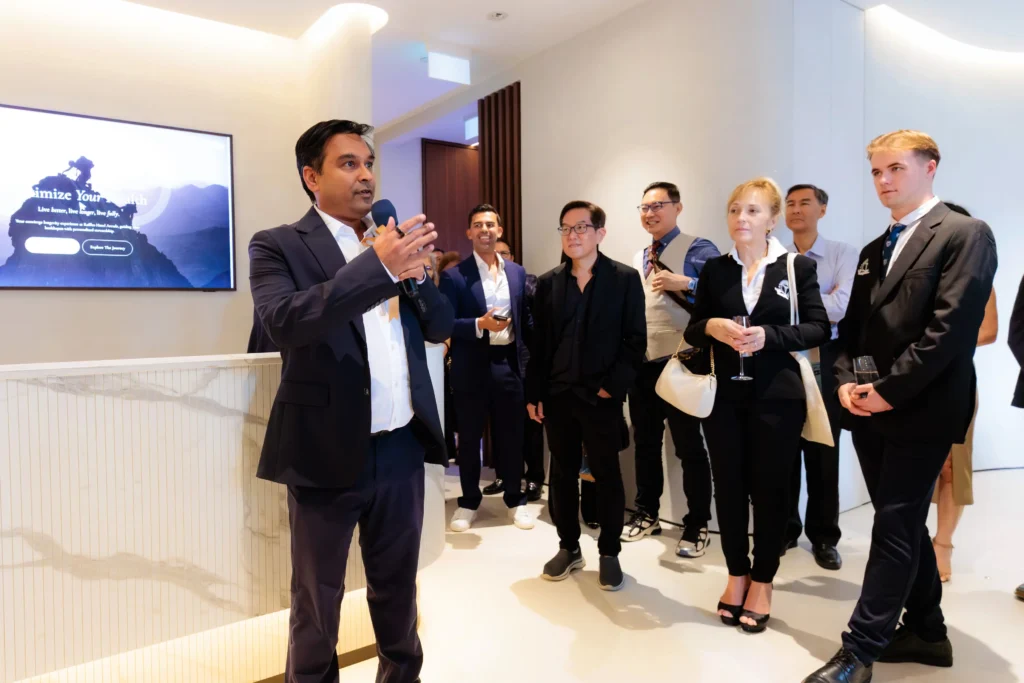
The Longevity Project (TLP): Was there a problem that you were trying to solve when you developed Elyx Life in Singapore?
Ashish Chordia (AC): Our chairman and co-founder, Peng, and I have both tried existing options on the market. I’ve spent hundreds of thousands of dollars with a wide variety of companies to try and get healthier.
Very briefly, my background: I live in Palo Alto, California. As a Silicon Valley founder and entrepreneur, I was always running around, being jet lagged, tired and stressed. I became diabetic. I had to work on reversing my diabetes, so I’m on this journey.
I realised that if you’re willing to invest, if you’re motivated to do proactive care, there are a lot of resources available. I can go to Stanford Hospital. I have a whole bunch of longevity clinics near me. I have a gym, a physiotherapist, a personal trainer. But as a CEO, trying to connect all the dots in an incredibly fragmented ecosystem is a huge problem.
When you’re trying to be on this health journey, there’s a lot of knowledge, there are a lot of solutions, there are experts, but there isn’t a holistic service that covers everything. There’s a lot of fragmentation in healthcare, so without a concierge service that stitches it altogether, it’s very difficult for people to do.
Because the solution didn’t exist, we created one for ourselves, and people like us. We’ve assembled a team of experts – everything that a person who’s on this wellness journey would like to have – from physicians and specialist doctors to physiotherapists, health coaches and swim coaches, a nutritionist, and a mental health expert.
Eventually, the goal is to make this service available to everybody.
There’s a lot of fragmentation in healthcare, so without a concierge service that stitches it altogether, it’s very difficult for people to do.
AC: The concierge model is really important because – if you think about what we’re trying to do, if I just want to give someone a full-body MRI, or do a blood biomarker test, or have them have physiotherapy and personal training together, the minute you try to integrate all the services, there has to be someone who’s like a captain for your health, right?
Think of wealth management as an example. You don’t go to one person at Morgan Stanley for bonds, and another person at Goldman Sachs for stocks, or CIC in China for China equity. You’ve got one person who’s your wealth manager. He’s your concierge for your wealth. And these concierges are worried about your wealth every day, more than you. When the market goes up, they call you to ask, “Should I buy when it goes down?”
Our concierges are the same. They are, with your permission, watching over your health and making decisions for you, again with your permission. It’s their job to worry about whether our members are eating right, sleeping well, or suffering from stress. If our members are travelling, do they have the right gym nearby? Without the concierge and hospitality element, you just can’t deliver a service like that.
There has to be someone who’s like a captain for your health, right?
(AC): Sure. Let’s say a member travels a lot, staying at the Marriott each time. The nutritionist says that they should start their day with green juice. Our concierge makes sure that the hotel prepares the green juice for them every morning. Or perhaps the member is supposed to have more proteins and less carbs. Our concierge would have called in advance to make sure the member isn’t getting tempted by waffles at breakfast.
It is a logistical and operationally heavy thing to do, but once done right, the results are going to show because we’re able to keep people on this journey. They won’t fall off as easily. There’ll be more compliance and hence their results will be better.
(AC): No, we have one concierge to many clients. But our Singapore facility is designed to support a maximum of 50 members. So it’s very exclusive. A single concierge can handle more than one client.
Our target is 50 members. We are roughly about a third of the way there. Almost all of our members are global citizens. They spend about, I would say, on average, half, or a little more than half their time in Singapore. They are constantly travelling.
(AC): We have a few people playing the role of concierge. One person is the main concierge, and then there is a team supporting them.
(AC): Currently about one-third of our members are women. Probably a year from now, that ratio will be closer to 50-50, because when we have – and we do have – couples in our program, the compliance and their ability to help each other also goes up, so both of them benefit more.

(AC): You know, I cannot talk to you about specific members’ health records, but in general, if someone is already diagnosed with some severe or chronic condition, we are not the best place for them.
We’re here to keep members on a proactive journey, to either eliminate the risk of disease or keep them on a healthy journey.
(AC): Whenever new, very unique services come out, they are almost always very expensive. But “premium pricing” is very relative, right? In the US, for example, [tech entrepreneur and biohacker] Bryan Johnson is pricing his Immortals programme at US$1 million (S$1.28 million) a year.
With our prospective members, the conversation with them is about their goals, their anxieties and challenges, their past problems. This person may have family money or they’re self-made, someone in their late 30s, 40s or early 50s. They’re on the boards, or they’re running family offices. They have busy lives.
I don’t think we have had conversations with people coming and saying, “Oh, but I can do a blood test at Raffles Medical for S$50”. It’s not the kind of conversations we have.
As we build out our services and give members their solutions, continuously automating with AI, we can drop our price a level below and service a wider market. And if we can keep iterating that every two or three years, in eight-to-10 years we will be mass market. People will not need to buy insurance. They will just get an Elyx subscription, and they will be covered for healthcare and wellness. It’s going to take us 10 years to get there, but that’s what we want.
And I’m not just talking about Singapore. I’m thinking global. That’s the only way we can change the world.
Eventually, the goal is to make this service available to everybody.